This guide contains affiliate links. If you book through them we may earn a commission, at no extra cost to you. Learn more.
The Big Island covers 4,028 square miles, which makes it bigger than all the other Hawaiian islands put together. That changes how you plan. You can’t day-trip everything from one hotel, and the best experiences are split between the dry Kona side and the wet, green Hilo side, with two mountains over 13,000 feet in between.
These are the 19 things we’d build a trip around, grouped by type. For each one we say whether it’s free, worth booking, or a bit of both. One caveat for 2026: the storms Lala (mid-August) and Nolo (late September) damaged roads, bridges, and parks, and some areas are still closed as of October 2026. Check current status before you drive anywhere.
On and in the ocean
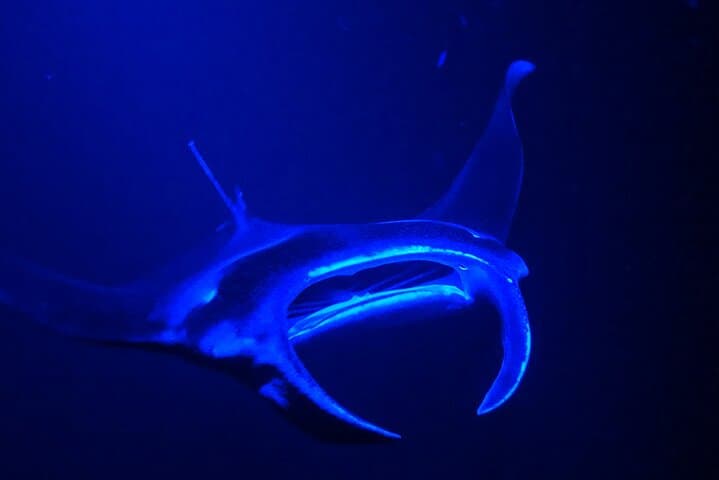
1. Swim with manta rays at night
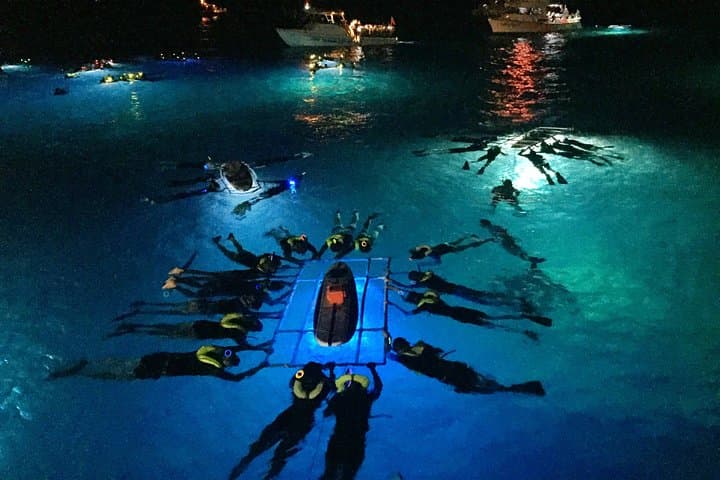
This is the one people fly in for. After dark, boats from Kona head to one of the two viewing sites named by the state, Makako Bay (Garden Eel Cove) or Keauhou Bay, and switch on lights that pull in plankton. Resident reef mantas glide up to feed, sometimes close enough that you pull your knees up.
The rules are simple and non-negotiable: no touching, and snorkelers stay at the surface. Book a night early in your stay, so a rough-sea cancellation leaves you time to reschedule. You can compare boats on our manta tour comparison, or read the manta night snorkel guide first.
2. Snorkel Kealakekua Bay
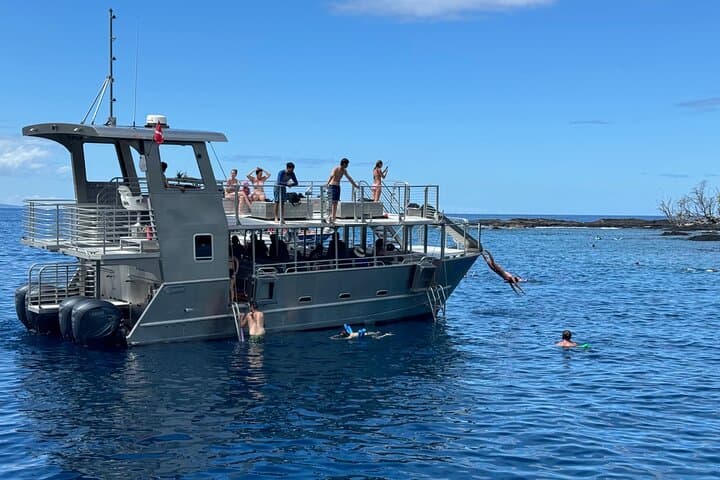
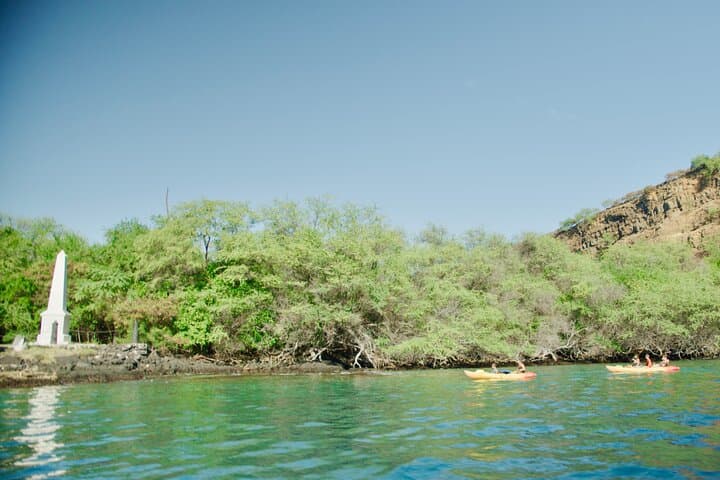
Kealakekua Bay, the water below the white Captain Cook Monument, has been a Marine Life Conservation District since 1969. We think the reef off Kaʻawaloa is the best snorkel on the coast. The hard part is getting there. On land, Kaʻawaloa can be reached only by the steep Kaʻawaloa Trail or with a permitted guided kayak tour. Rental kayaks may cross the bay but can’t land, and the Hawaiʻi Tourism Authority advises against recreational kayaking there. The easy option is a morning boat. Pick one from every Kealakekua snorkel tour, compared.
 4 hours
Hang Loose Boat Tours
Captain Cook Snorkel by Catamaran, with Lunch
Honokōhau Harbor north boat ramp (74-380 Kealakehe Pkwy), Kailua-Kona
Free cancellation
Booked securely on Viator
 4 hours
Kona Boys
Kealakekua Bay Kayak & Snorkel
Kona Boys shop, Hawaiʻi Belt Rd, Kealakekua (kayak launch at Nāpōʻopoʻo pier)
Free cancellation
Booked securely on Viator
3. Shore-snorkel Two Step and Kahaluʻu
You don’t need a boat for either of these. At Two Step on Hōnaunau Bay, you step off lava ledges into clear water with coral and honu. Kahaluʻu Beach Park is shallow and lifeguarded, which makes it the place to learn. Neither has an entry fee, though you may pay to park. Stay at least 10 feet from turtles, and wear mineral sunscreen.
4. Watch humpbacks in winter
Humpback whales spend November to May here, and the peak is January through March. The law says you can’t approach within 100 yards. Kona boats run whale cruises all season. Start with our whale watching guide and the list of whale tours.
5. Take a Kohala Coast beach day
The famous white-sand beaches are about 20 minutes north of the Kona airport. Hāpuna is big and has lifeguards. As of 2026, nonresidents pay $5 per person plus $10 for parking, by card only. Kaunaʻoa is the postcard crescent, if you can get one of its few parking passes. Beach 69 has rare shade. From about November to March, swells can bring a strong shore break, so swim in the morning and listen to the lifeguards.
Volcanoes and mountains
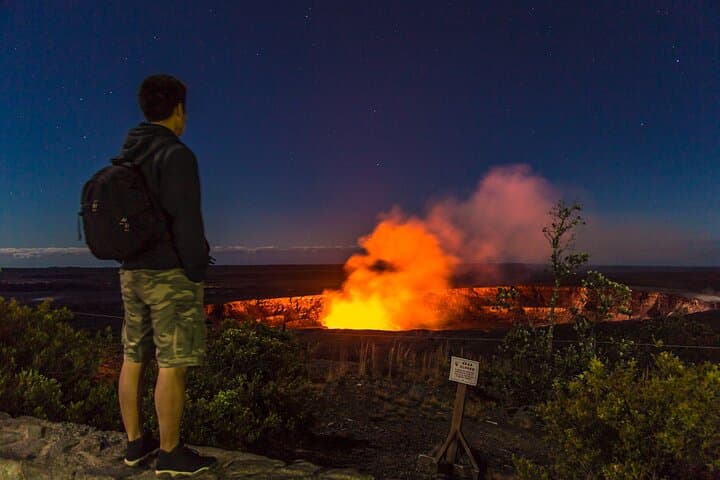
6. Hawaiʻi Volcanoes National Park
Since December 23, 2024, Kīlauea’s summit has erupted in short, dramatic episodes. As of October 18, 2026, the USGS Hawaiian Volcano Observatory reports that the eruption has paused after episode 55, and it has no forecast for the next one. Check the observatory’s update on the day you go, and count any lava as a bonus.
Even without lava, the park deserves a full day. Crater Rim Drive is a 10.6-mile loop, and the Keanakākoʻi stretch is open only to walkers and cyclists. Drive the open sections out to the Uēkahuna and Kīlauea overlooks. Walk Nāhuku (Thurston Lava Tube) before 9 a.m. or after 5 p.m. Then hike the 3.3-mile Kīlauea Iki loop, which drops 400 feet into a crater and climbs back out. Entry is $30 per vehicle. The Kīlauea Visitor Center is closed for renovation, and a temporary welcome center operates at Kīlauea Military Camp.
The park is 2–2.5 hours from Kona each way. That drive is why many Kona-based visitors book a guided volcano tour. Our national park guide covers the rest.
7. Drive Chain of Craters Road
The road runs 18.8 miles down to the sea, and there’s no food, water, or fuel along the way. Fill up before you start, and confirm it’s open on the park’s conditions page. The Hōlei Sea Arch at the bottom collapsed in late September 2026, so stay out of the closed area.
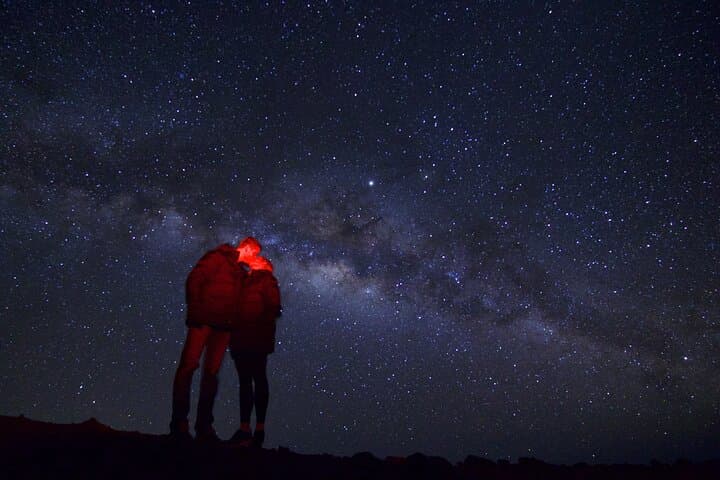
8. Watch the sunset from Maunakea
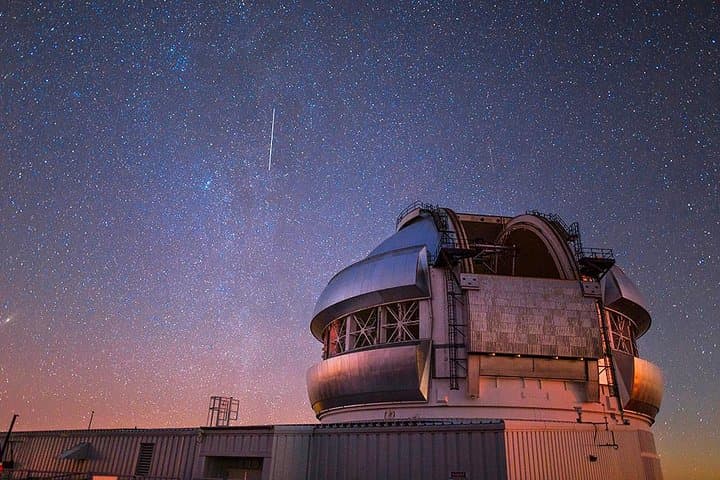
The Big Island’s other bucket-list night is sunset above the clouds at 13,803 feet, with stargazing on the way down. Maunakea is also a wahi pana, a celebrated and storied place in Hawaiian tradition, so stay on the roads and take nothing. Above the Visitor Information Station (9,200 feet), the road becomes steep gravel that requires a dependable 4WD. The Hawaiʻi Tourism Authority advises going up only on an authorized guided tour.
Some people should stay at the station instead of going higher: kids under 13, pregnant travelers, anyone who has been scuba diving in the past 24 hours, and anyone with a heart or respiratory condition. For the rest, compare tours on our Maunakea tour comparison.
9. See it all from the air
No road reaches much of Kīlauea’s lava country or the sea-cliff valleys of Kohala. If you want the volcano, fly from Hilo, the closest base. Flights from Waikōloa focus on the waterfalls.

Waterfalls and valleys
10. ʻAkaka Falls
At ʻAkaka Falls State Park, you get a lot of waterfall for very little effort: a 0.4-mile paved loop through rainforest to a 442-foot drop. Nonresidents pay $5 per person plus $10 for parking, by card only. Under an October 2026 notice, part of the trail is closed because of fallen trees.
11. Rainbow Falls
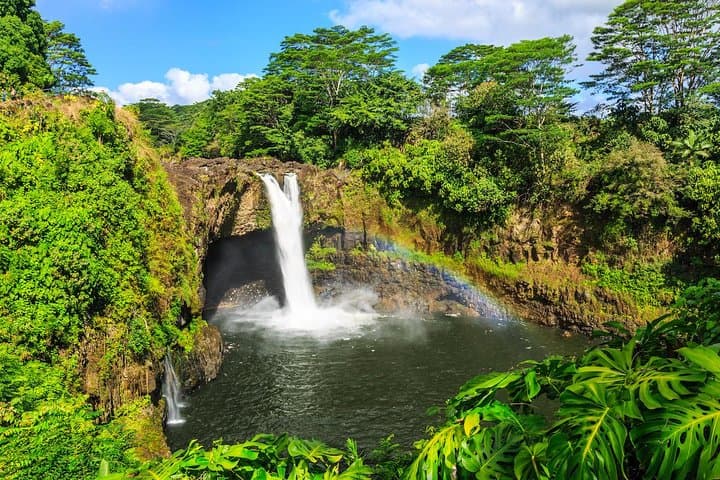
Rainbow Falls (Waiānuenue), on the edge of Hilo, is an 80-foot fall and a five-minute stop. Come on a sunny morning for your best chance of seeing the rainbow in the mist.
12. Waipiʻo Valley Lookout
From the Waipiʻo Valley Lookout, you look down into the cliff-walled valley where Kamehameha I grew up. It may be the most dramatic view on the island. Enjoy it from the top. As of October 2026, the road down is closed to everyone except residents, permitted tours, and Native Hawaiian practitioners, and hiking into the valley isn’t allowed. Stop for a malasada at Tex Drive-In in Honokaʻa on the way.
13. Pololū Valley Lookout
Highway 270 in North Kohala ends at the Pololū Valley Lookout, which looks out over green sea cliffs and a black-sand beach. Trail stewards staff the trailhead. The trail down is steep and slick when wet, and parking is tiny. A plan for reservation parking has been approved, so check whether it has started before you go.
Culture and history
14. Puʻuhonua o Hōnaunau
This is the island’s most moving site. It was a place of refuge, where anyone who broke a kapu (sacred law) could find sanctuary. Walk the Royal Grounds past carved kiʻi and the Hale o Keawe temple. Puʻuhonua o Hōnaunau charges $20 per vehicle. Snorkeling isn’t allowed inside the park, so most people pair it with Two Step next door.
15. Puʻukoholā Heiau
Puʻukoholā Heiau is a massive temple built in 1790–91 and one of the most important places in Hawaiian history, closely tied to the story of Kamehameha. Entry is free. Stay on the marked trail, because this is a sacred site.
16. Aliʻi Drive and Huliheʻe Palace
Give Kailua-Kona a morning. Huliheʻe Palace was built of lava rock in 1838, later served as a home for Hawaiian royalty, and is now a museum. It opens only on certain days, so check before you go. North of town, the free Kaloko-Honokōhau park shows how Hawaiians engineered fishponds to feed whole communities.
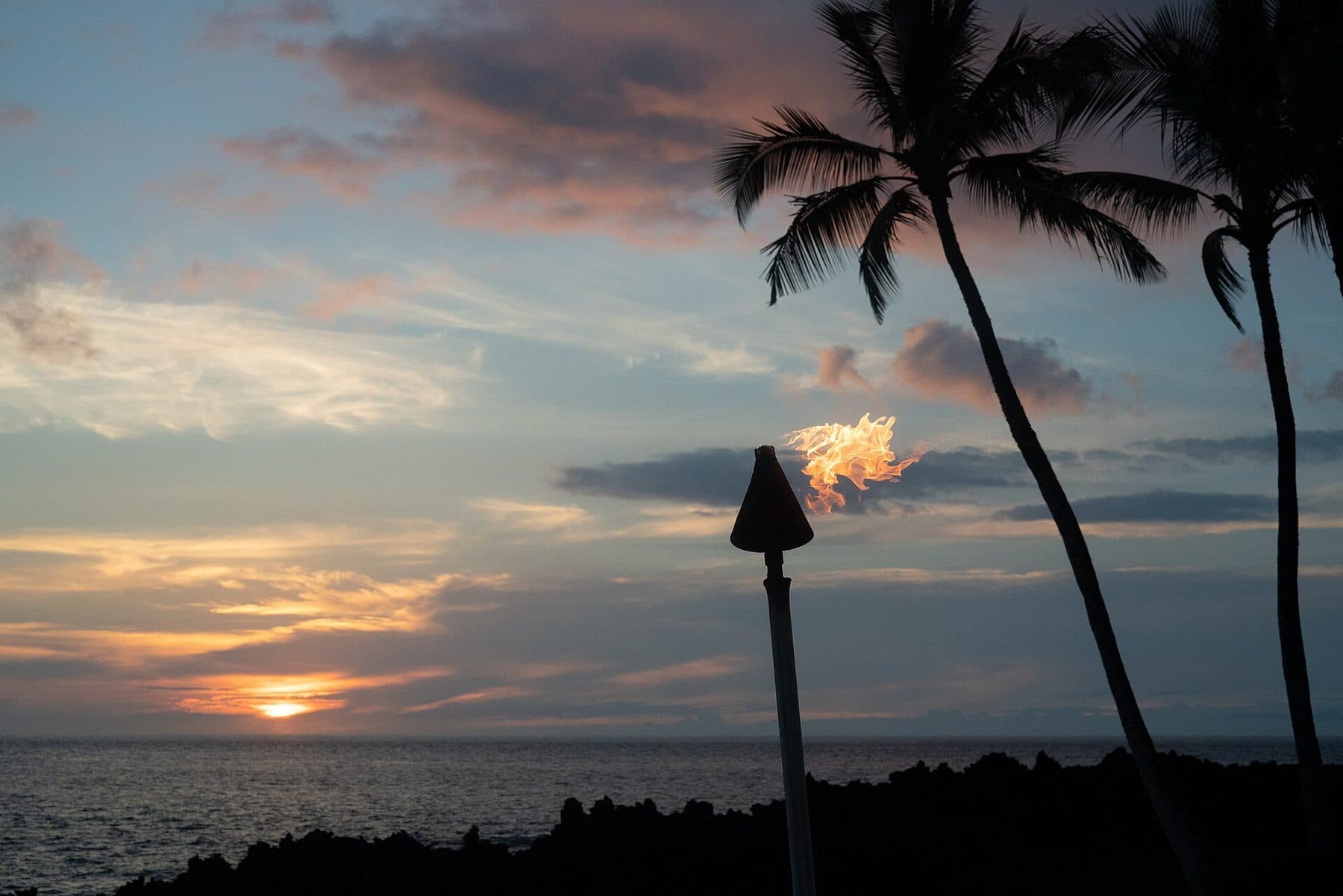
17. A luau
Choose by setting. The Kona-town luaus are an easy walk or drive from most hotels, and the Kohala Coast ones are resort-polished. See every Big Island luau, compared.
Food and coffee
18. Kona coffee at the source
Kona coffee grows in the North and South Kona districts, on the slopes of Hualālai and Mauna Loa. Greenwell Farms offers free tours and tastings, and we cover more farms in coffee tours. A tip on labels: a 10% Kona blend is mostly foreign coffee. Starting July 1, 2027, any blend that uses a Hawaiʻi origin name must contain at least 51% Hawaiian coffee. If you’re here November 6–15, 2026, you’ll catch the Kona Coffee Cultural Festival.
19. Eat your way through Hilo
For cheap local food, Hilo is the island’s best town. Graze the Hilo Farmers Market (Wednesday and Saturday are the big days). Order a loco moco at Café 100. Buy more strawberry mochi at Two Ladies Kitchen than you think you need. If it rains, the ʻImiloa Astronomy Center is a great primer for Maunakea.
How to fit it all in
Split your nights. Stay on the Kona or Kohala side for the ocean, then spend two or three nights in Hilo or Volcano for the park and the waterfalls. Our 7-day itinerary lays out the days, Kona vs. Hilo helps you pick hotels, and when to visit covers whale season and winter surf.
Wherever you stay, you’ll need a car. There’s no public transit inside the national park, and rideshare there is extremely limited. Our guide to whether you need a car explains the rest. Compare pickups at both Kona (KOA) and Hilo (ITO).
Photo: Cedric Letsch via Unsplash