Summit tour or stargazing only?
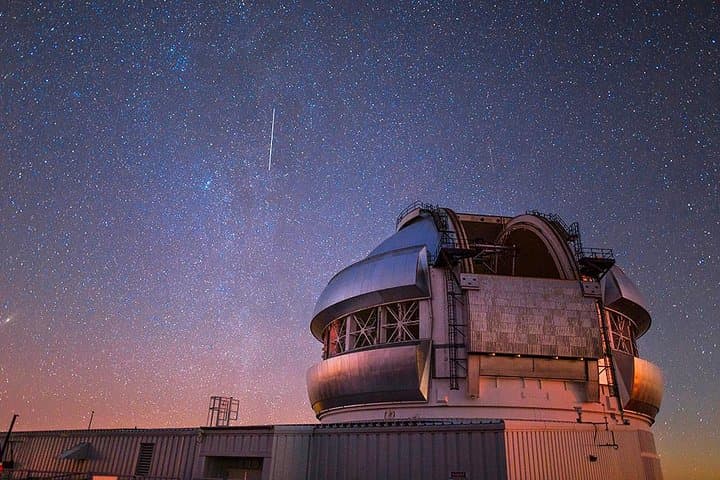
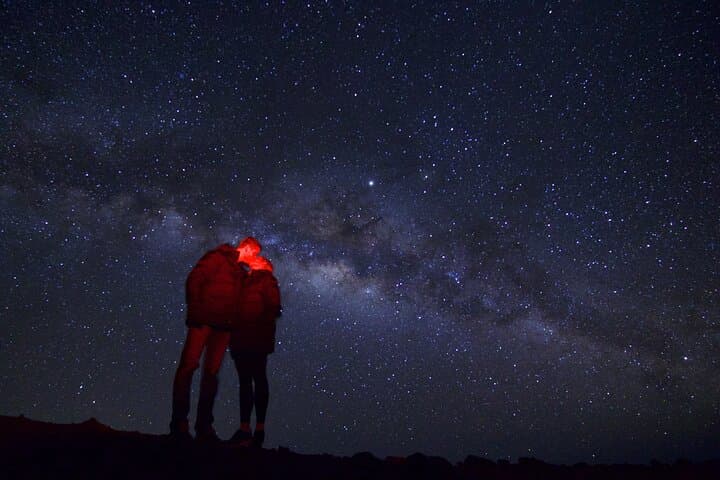
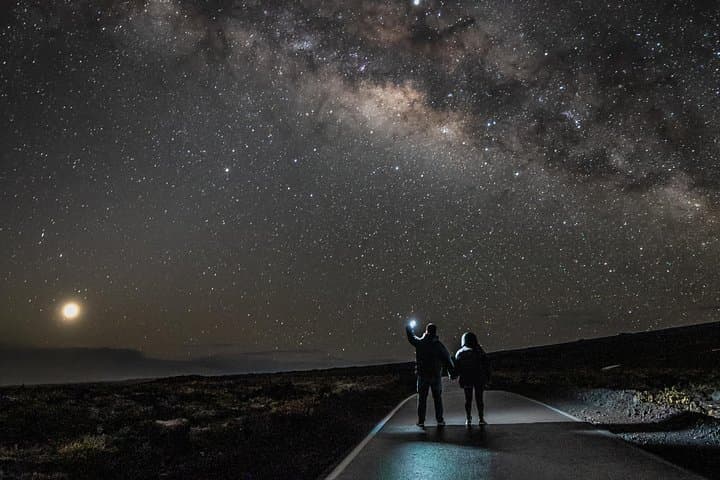
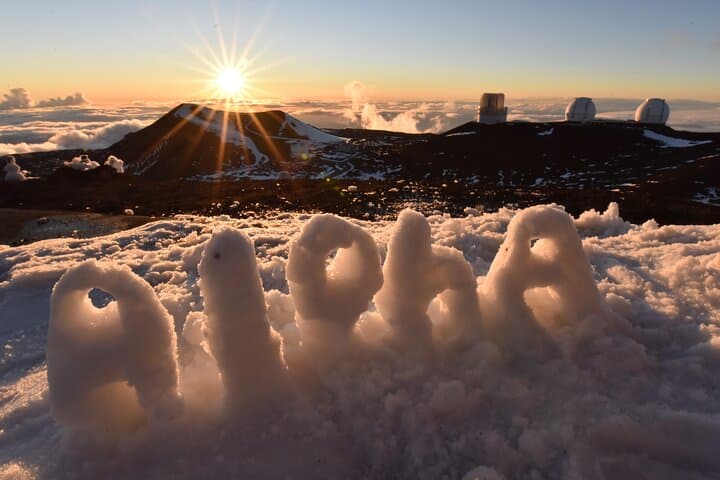
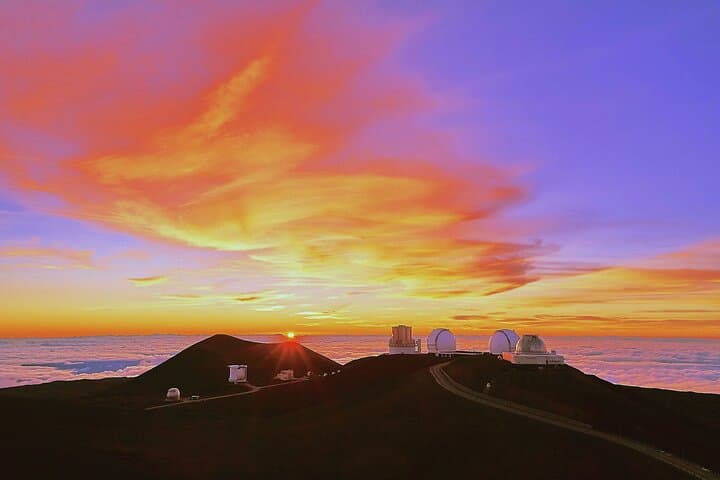
Summit sunset tours (7–9 hours) pick you up in the afternoon in Kona or Waikōloa, stop to acclimatize, watch sunset from the summit, then come down to a lower site for telescope stargazing. Most set a minimum age of 13; one sets it at 16.
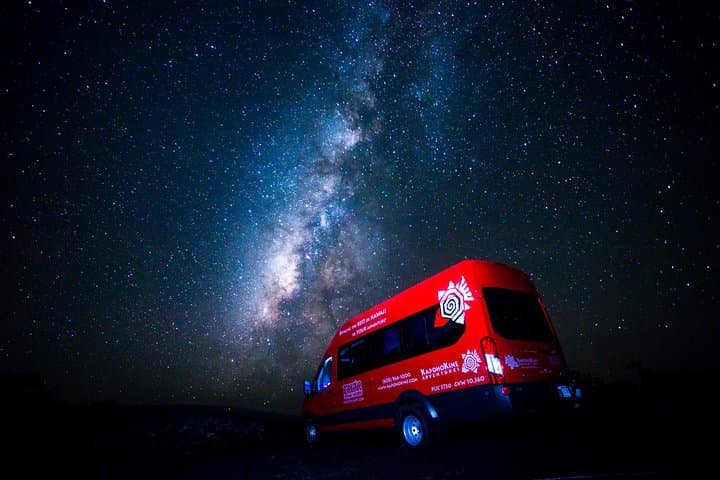
Stargazing-only tours skip the summit. Epic Tours meets you on the mountain for two hours with an astronomer, and Kapohokine’s Hilo-side tour pairs daytime solar viewing with night telescopes — it doesn’t go to the summit or the Visitor Station, out of deference to Native Hawaiian concerns.
Why not drive yourself?
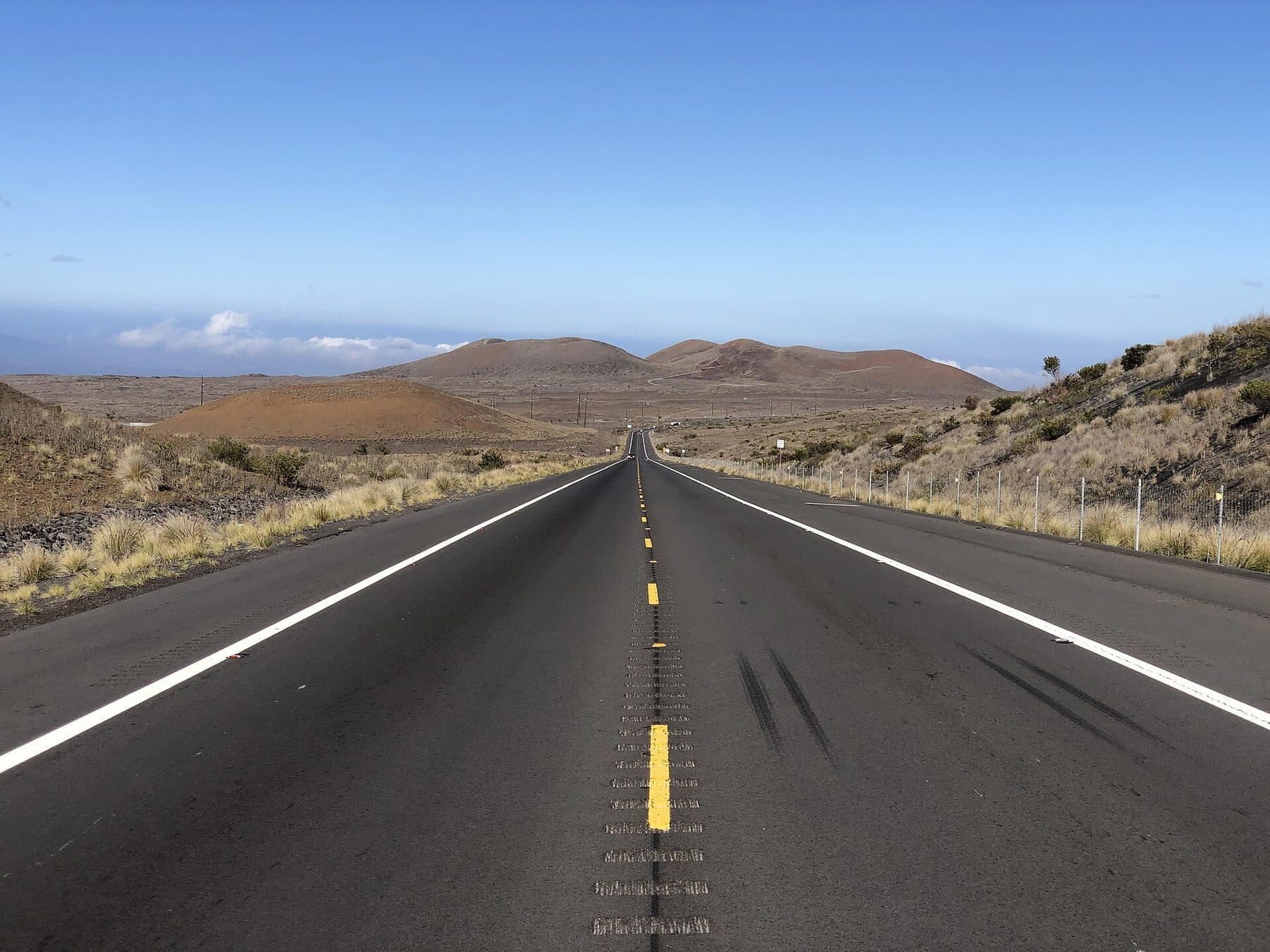
- Above the Visitor Station, only dependable 4WD or AWD vehicles are allowed; the road is about 4.5 miles of steep gravel. Check with your rental company whether you may drive on Maunakea at all.
- The summit is open to the public from 30 minutes before sunrise to 30 minutes after sunset; stargazers must then descend.
- The Visitor Station’s nightly public telescope program was halted in 2019. A free telescope night now runs about once a month, by reservation.
Put together, a tour is the simplest way to get sunset at the top and real telescope time after dark.
Altitude, cold, and what to wear
At the summit there is roughly 40% less oxygen than at sea level, and UH Hilo recommends acclimating at the Visitor Station for at least 30 minutes on the way up. It’s cold: one mid-mountain operator warns of temperatures down to 30°F, and it’s colder higher up. Tours provide parkas; you bring long pants, closed-toe shoes, a warm hat, and water.
Respecting Maunakea
The mountain holds shrines, burials, and the ancient Keanakākoʻi adze quarry, and Lake Waiau is considered a very sacred site. Management is moving to the Mauna Kea Stewardship and Oversight Authority, created by the state in 2022. Some tours include a stewardship fee in the price. Stay on roads and paths, don’t stack rocks, and take nothing.