This guide contains affiliate links. If you book through them we may earn a commission, at no extra cost to you. Learn more.
Short answer: yes. Unless you plan to stay put at one resort, you need your own car on the Big Island. The island covers 4,028 square miles, more than all the other Hawaiian islands combined, and its highlights are hours apart. The National Park Service puts Hawaiʻi Volcanoes National Park about 95 miles and 2–2.5 hours from Kailua-Kona, and there’s no shuttle or public transit inside the park.
Book the car when you book your flights. An island has only so many rental cars, and the holiday and whale-season weeks sell out first.
Why the alternatives fall short
- Rideshare and taxis work for airport runs and around Kona town. Kona’s airport has marked rideshare pickup zones, taxis, and SpeediShuttle. Away from the towns, coverage thins fast. The NPS calls rideshare near the national park “extremely limited,” and sometimes impossible, so you could get there and not get back.
- The Hele-On bus, Hawaiʻi County’s island-wide system, is fare-free; in December 2025 the county extended free fares for three more years. A stop even serves the park’s summit area near Volcano House. Routes and timetables change, though, so check the county’s current schedule before you plan a day around it.
- Tours with hotel pickup can replace the car on specific days (more below). You’ll still want wheels for beaches, coffee farms, and dinner.
How far things really are
These are official estimates, not optimistic ones. Budget extra time for photo stops, because you’ll make them.
| Route | About |
|---|---|
| Kona airport (KOA) to the Kohala Coast resorts | 20 minutes north (Hawaiʻi Tourism Authority) |
| Kailua-Kona to Hawaiʻi Volcanoes NP, southern route (Hwy 11) | 95 miles, 2–2.5 hours (NPS) |
| Kailua-Kona to the park via Waimea and Hilo | 125 miles, 2.5–3 hours (NPS) |
| Hilo to Hawaiʻi Volcanoes NP | 30 miles, 45 minutes (NPS) |
| Chain of Craters Road, top to the end of the road | 18.8 miles each way (NPS) |
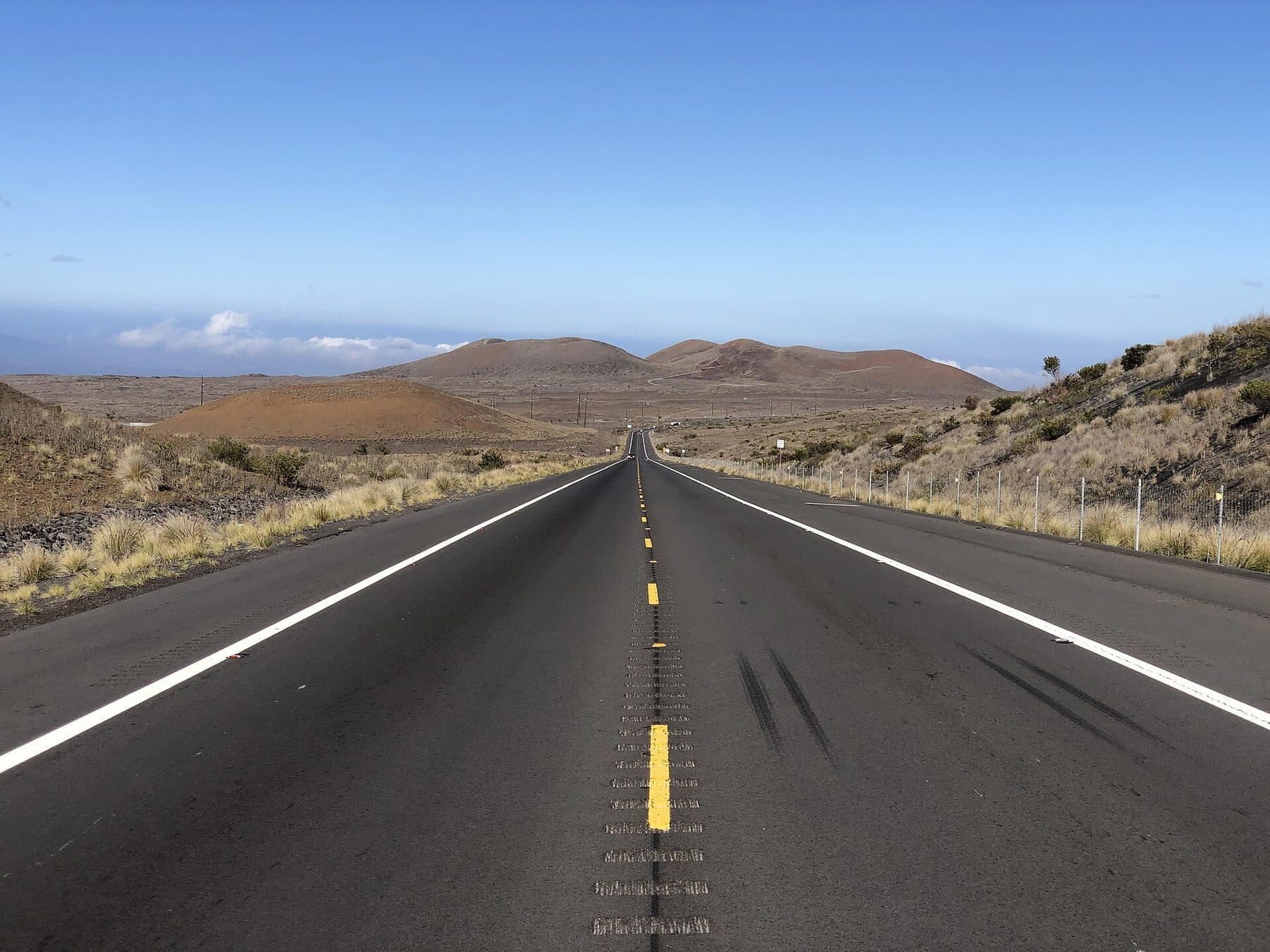
The Daniel K. Inouye Highway (Saddle Road) cuts across the middle of the island between the Kona side and Hilo. It’s also your route to Maunakea.
Kona or Hilo airport?
Kona (KOA) is the usual gateway. The west side has the resorts, the beaches, and the boat tours, and the Kohala Coast is 20 minutes away. Hilo (ITO) is 45 minutes from the national park, which makes it handy if your last nights are on the east side, and Southwest began nonstop Las Vegas–Hilo flights on August 6, 2026.
Flying into one airport and out of the other saves you the long drive back. Rental companies may add a one-way fee, so price both versions. Our Kona vs. Hilo guide helps you decide where to sleep, and that decides which airport is closer.
When a tour beats driving yourself
A few Big Island outings are better left to someone else’s vehicle, either because your rental car isn’t allowed or because the drive home is the hard part:
- Maunakea’s summit. Above the Visitor Information Station (9,200 feet), only dependable, fully operable 4WD or AWD vehicles are allowed. The pavement ends about 300 yards past the station, followed by about 4.5 miles of steep graded gravel, and the 8-mile summit road climbs nearly 5,000 feet. The University of Hawaiʻi says to check with your rental company whether you may drive there at all, and the tourism authority advises going up on an authorized guided tour. A tour also takes care of the dark, steep drive down after sunset.
- A volcano day from Kona. That’s a 4–5 hour round trip behind the wheel. A small-group tour with Kona or Kohala hotel pickup lets you nap on the way home.
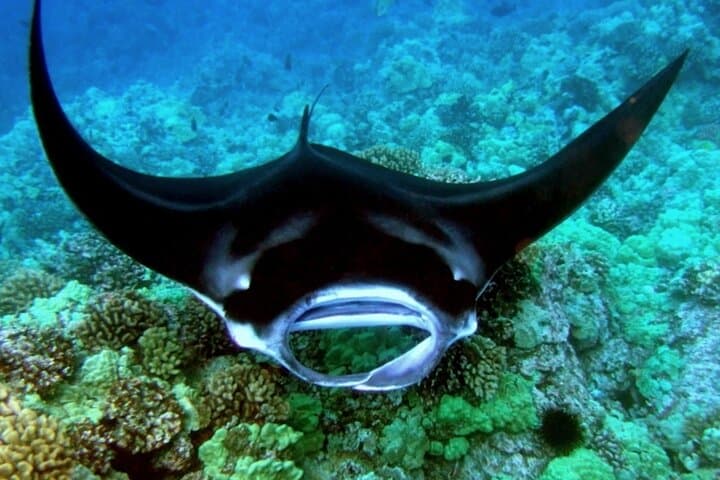
- A night on the water. Staying on the Kohala Coast? Some manta boats offer paid resort pickup, so nobody has to drive back wet and tired after a night swim.
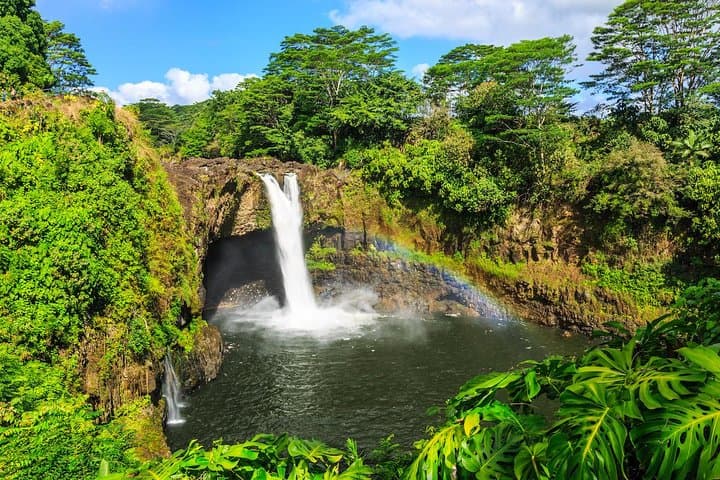 11 hours
Wasabi Tours Hawaii
Big Island in a Day: Volcanoes & Waterfalls
Hotel pickup in Kona & the Kohala Coast (6:40–8:00am); Queens' MarketPlace Waikōloa
Free cancellation
Booked securely on Viator
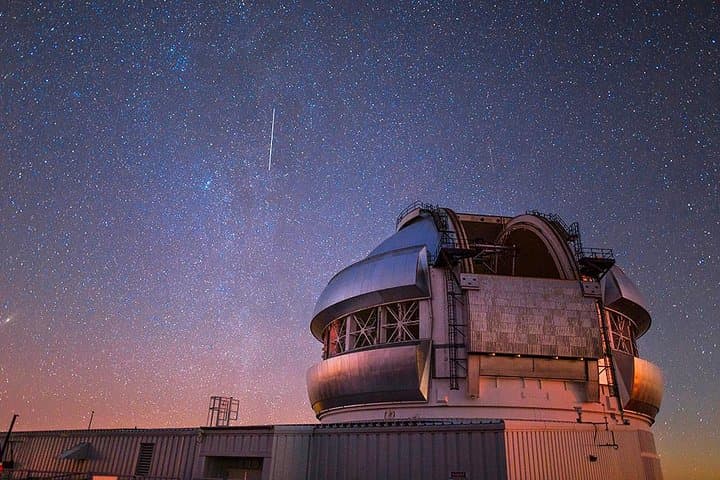 8 hours
Hawaii Forest & Trail
Maunakea Summit & Stars Small-Group Tour
Central meeting points: Kona (Courtyard King Kamehameha), Four Seasons Hualālai, Waikōloa (Queens' MarketPlace, Waikōloa Plaza) or Maunakea Visitor Station
Free cancellation
Booked securely on Viator
 2 hours
Iruka Hawaii Dolphin
Manta Ray Night Snorkel Tour
Honokōhau Harbor (Kealakehe Pkwy), Kailua-Kona; paid pickup from Kohala Coast resorts on sunset tour
Free cancellation
Booked securely on Viator
Compare every option on our volcano tours and Maunakea tours pages, and read the Maunakea guide for the summit’s age and health rules.
Two more places where the car stops short:
- Waipiʻo Valley. The road into the valley is closed except to residents, permitted tour operators, and Native Hawaiians exercising traditional and customary rights, and walking down isn’t allowed either. Enjoy it from the Waipiʻo Valley Lookout.
- The Captain Cook Monument. You can drive to Kealakekua Bay, but a rental kayak may only cross the bay, not land at the monument. To reach it, book a guided kayak or a snorkel boat.
Big Island road rules worth knowing
- Fuel up before remote drives. Chain of Craters Road has no food, water, or fuel along its 18.8 miles. Top off before the long southern route through Kaʻū too, where Hurricane Lala damaged roads and bridges in August 2026; check conditions before you go.
- Read the rental contract. The tourism authority warns that the road to Ka Lae (South Point) is rough and narrow and may not be covered by your rental car company.
- Arrive early. National park lots can fill by 10 a.m., and the tiny lot at Nāhuku (Thurston Lava Tube) is easiest before 9 a.m. or after 5 p.m. On weekends, Kua Bay’s lot is often full by 10 a.m., and Hāpuna’s gate closes once its lot fills.
- Carry a card. Nonresidents pay $10 to park plus $5 per person at Hāpuna, Kekaha Kai (Kua Bay), and ʻAkaka Falls state parks, card only (2026). Hawaiʻi Volcanoes National Park charges $30 per vehicle.
- Slow down for nēnē. Hawaiʻi’s state bird wanders onto roads in and around the national park.
- Leave nothing visible in the car at trailheads and beach lots.
What kind of car to rent
A standard car handles the main paved routes in our guides: the Kohala beaches, the national park, Hilo, and the Hāmākua Coast. The only common outing that needs 4WD is the Maunakea summit, and we’d send you up with a tour anyway. So don’t pay extra for a 4WD unless you’ve confirmed in writing that your rental terms allow the summit road. Spend the difference on a manta night.
A one-car loop
The most efficient plan uses one car and one loop. Pick up at KOA and spend three nights on the Kona side. Then take the southern route to Volcano for two nights, return north along the Hāmākua waterfall coast, and finish on the Kohala Coast, 20 minutes from the airport. That’s the route behind our 7-day Big Island itinerary, and the trip planner has the fees and rules in one place.
Ready to book? Compare rental cars at both airports:
Photo: Woody Kelly via Unsplash