Hawaiʻi Island · Trip planner
Plan your Big Island trip
When to go, how long to stay, where to base yourself, and the bookings to make before you fly — the decisions that make or break a Big Island trip.
Travel advisory — updated October 19, 2026
Hurricanes Lala (August) and Nolo (late September) damaged roads, bridges, and parks; most areas have reopened but some trails remain closed. Kīlauea’s summit eruption is paused after episode 55 (October 17), and Punaluʻu Black Sand Beach’s county park is closed pending a land purchase. Check the national park, state parks, and USGS volcano pages before you go.
How long
5 days minimum, 7 ideal
Where to stay
Split Kona/Kohala and Hilo/Volcano
Getting around
Rent a car at KOA or ITO
Book early
Manta night, Maunakea, volcano
Step 1
When to go
Best weather, fewer crowds
The Hawaiʻi Tourism Authority points to January–May and September–November. Kona and the Kohala Coast are dry and sunny year-round; Hilo is green because it rains — about 120 inches a year.
Whale season
Humpbacks visit from roughly November to May, peaking January to March. Book a whale watch out of Kona, and watch from shore on the Kohala Coast.
Big events
The Merrie Monarch hula festival fills Hilo March 28–April 3, 2027. The Kona Coffee Cultural Festival runs November 6–15, 2026, and the Ironman World Championship takes over Kona each October.
Winter surf
From about November to March, swells can bring strong shore breaks to west- and north-facing beaches such as Hāpuna. Swim where it’s calm and heed lifeguards.
Step 2
Pick your bases
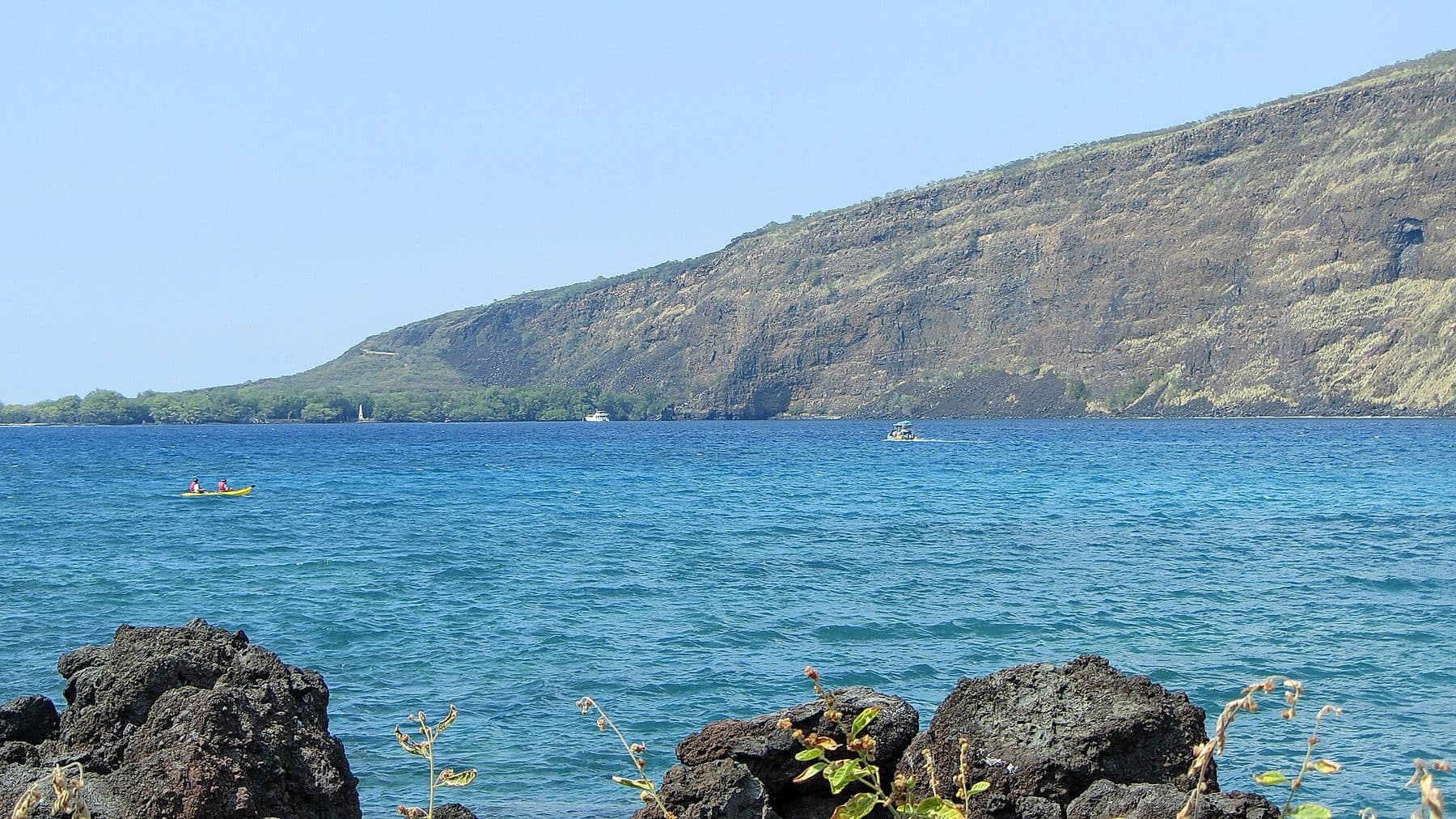
The island is larger than all the other Hawaiian islands combined. Sleep on both sides: Kona or the Kohala Coast for beaches and boats, Hilo or Volcano for the national park.


Step 3
Getting there and around
Fly into Kona (KOA) for the resorts, beaches, and ocean tours, or Hilo (ITO) for the volcano — Southwest began nonstop Las Vegas–Hilo flights in August 2026. On a week-long trip, consider flying into one and out of the other.
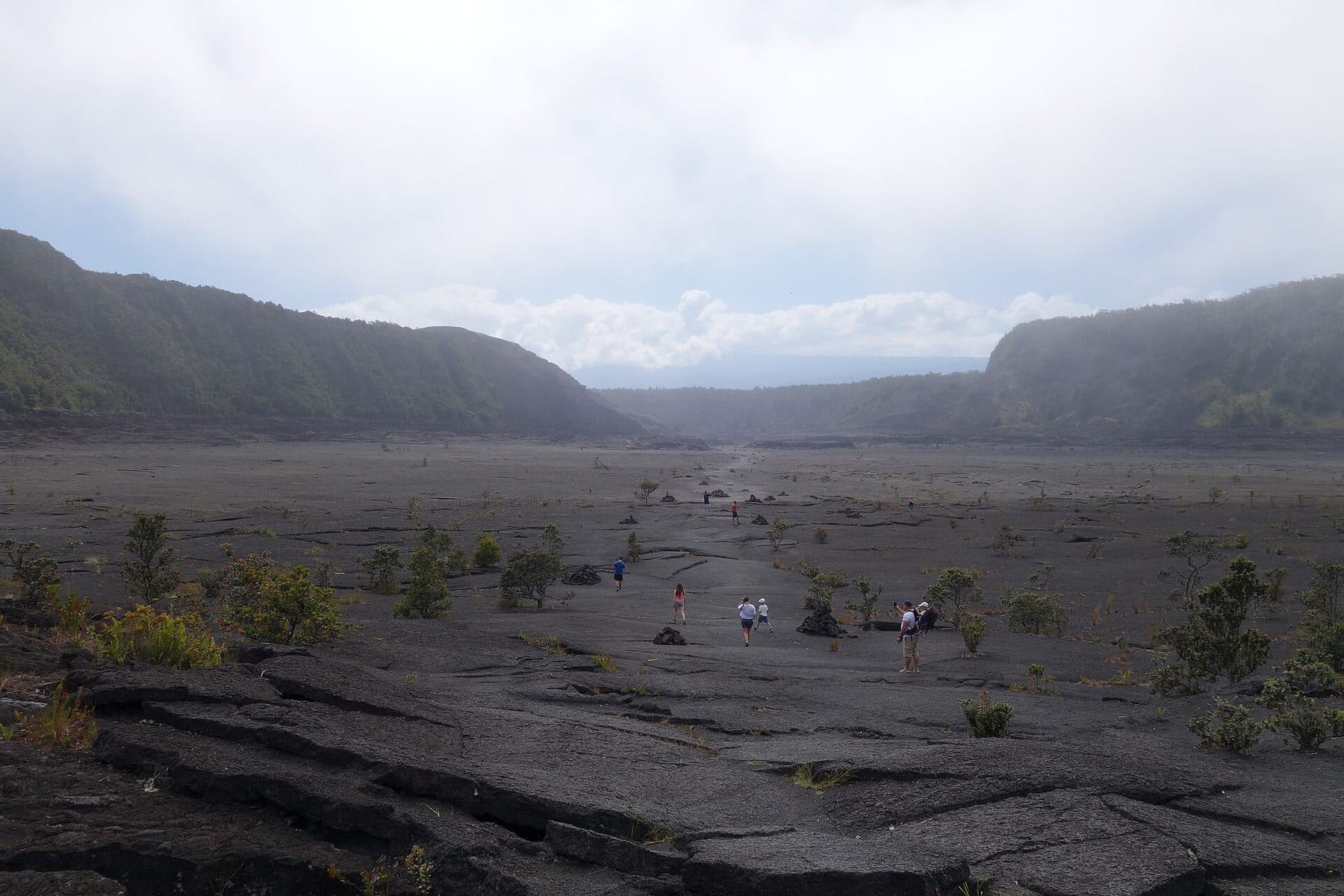
According to the National Park Service, Hawaiʻi Volcanoes National Park is about 45 minutes from Hilo and 2–2.5 hours from Kailua-Kona by the southern route. There’s no shuttle or transit inside the park and rideshare is extremely limited, so plan on a rental car — or a tour with hotel pickup.
Getting around
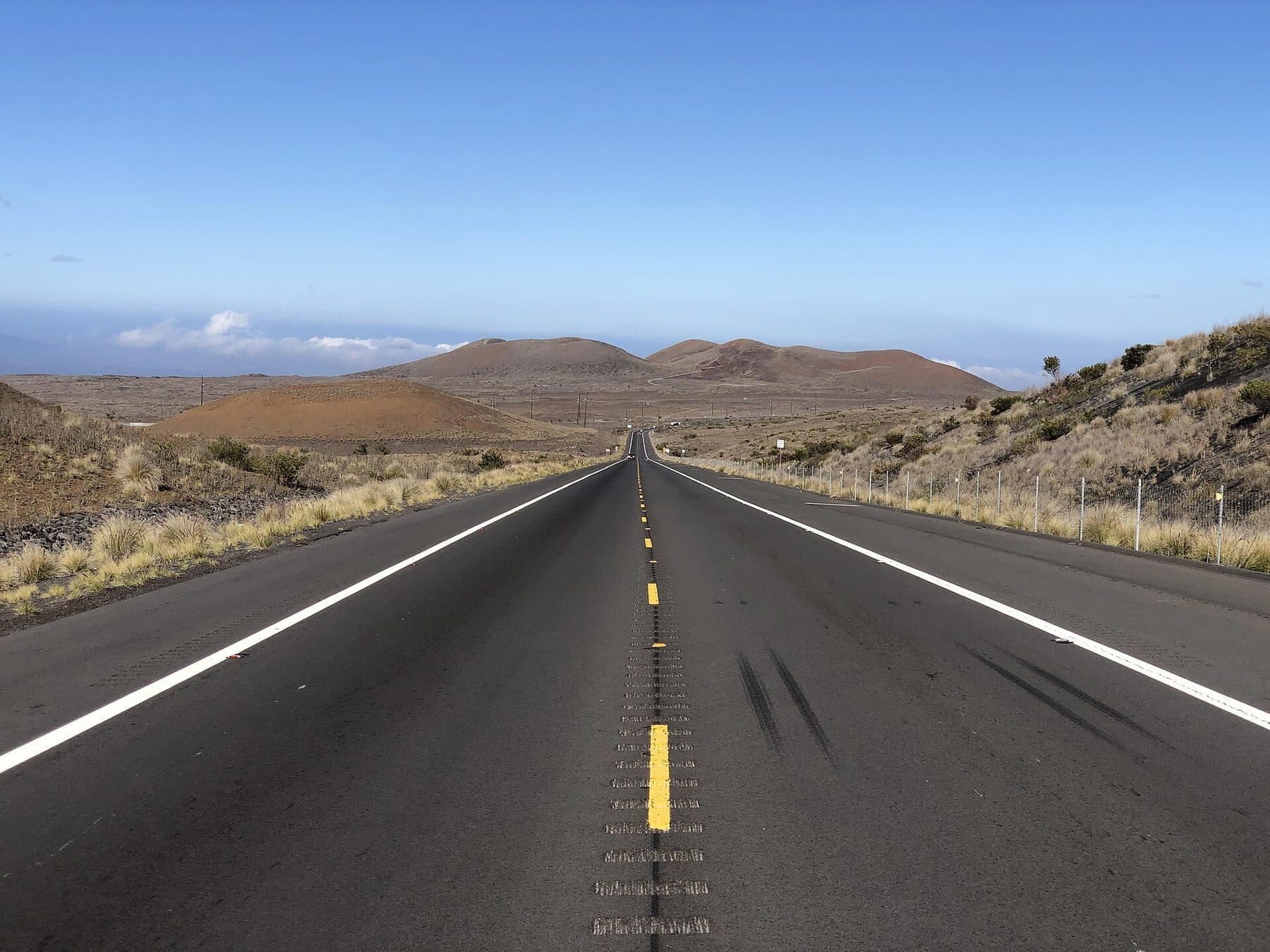
You’ll want a rental car.
Public transit is limited and the best sights are hours apart. Pick up at Kona (KOA) or Hilo (ITO) and compare every major company in one search.
Step 4
Book these before you fly
Small-group volcano days, Maunakea summit tours, and the best manta boats fill up first. Book the manta night early in your trip so you can reschedule if the sea is rough.

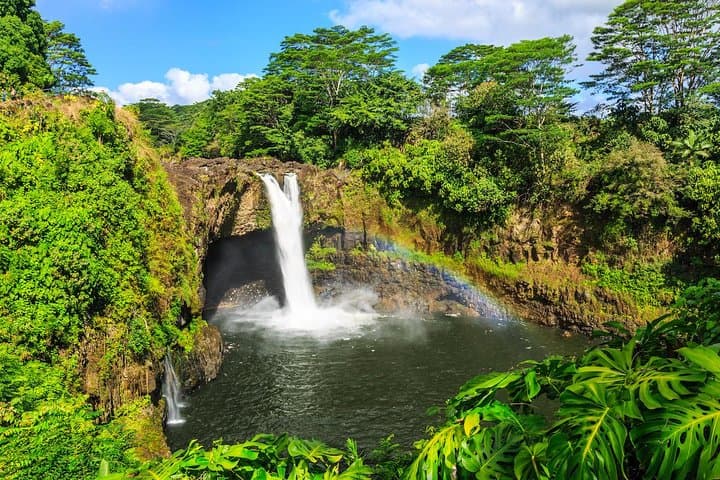
Mālama ʻāina
Rules worth knowing
Care for the land — and avoid a fine.
Use mineral sunscreen
Hawaiʻi bans the sale of sunscreens with oxybenzone or octinoxate, and a 2022 Hawaiʻi County ordinance bans the sale on the island of sunscreens with any active ingredient other than zinc oxide and titanium dioxide.
Give wildlife space
Stay at least 10 feet from sea turtles and 50 feet from monk seals. It’s illegal to approach humpback whales within 100 yards or spinner dolphins within 50 yards — and never touch a manta ray.
Maunakea by the rules
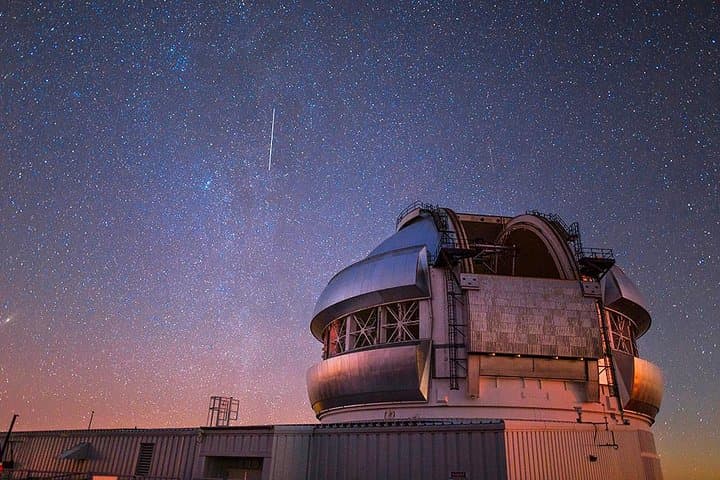
Only dependable 4WD/AWD vehicles above the Visitor Station; no summit if you’re under 13, pregnant, have heart or breathing conditions, or dived in the last 24 hours. The tourism authority advises going up with an authorized tour.
Kealakekua Bay landings
Only permitted guided kayak tours may land at Kaʻawaloa and the Captain Cook Monument. Otherwise, hike the Kaʻawaloa Trail or snorkel from a boat.
Waipiʻo from the lookout
The road into Waipiʻo Valley is closed except to residents, permitted tours, and Native Hawaiian practitioners. Enjoy the view from the Waipiʻo Valley Lookout.
Leave the sand and rocks
Taking sand, rocks, or coral from Hawaiʻi’s beaches is illegal — the black sand stays on the beach.
Budget
Fees and taxes to expect (2026)
- Hawaiʻi Volcanoes NP
- $30 per private vehicle (open 24/7)
- Puʻuhonua o Hōnaunau NHP
- $20 per private vehicle
- State parks (nonresidents)
- $5 per person + $10 parking at ʻAkaka Falls, Hāpuna & Kekaha Kai
- Lodging taxes (2026)
- 11% state TAT + 3% county TAT + up to 4.712% GET ≈ 18.7%
Sources: National Park Service, Hawaiʻi DLNR State Parks, and Hawaiʻi Department of Taxation, checked October 19, 2026.
Go deeper
Planning guides
Trip planning · 5 min read
Big Island Itinerary: The Perfect 5 or 7 Days
A day-by-day Big Island itinerary that splits your nights between Kona, the volcano, and the Kohala Coast — with a 5-day version and the bookings to make first.
Read the guide
Trip planning · 5 min read
Best Time to Visit the Big Island: Weather, Whales & Crowds
When to visit the Big Island for dry weather, humpback whales, calm beaches, and fewer crowds — plus the festival weeks and 2026 storm notes to plan around.
Read the guide
Where to stay · 7 min read
Kona vs Hilo: Where to Stay on the Big Island
Kona, the Kohala Coast, Hilo, or Volcano Village? Compare weather, beaches, tours, and volcano drive times, plus how to split 5 or 7 nights.
Read the guide
Trip planning · 5 min read
Do You Need a Car on the Big Island? (Yes — Here’s Why)
Yes, for almost every trip. Real drive times, the limits of buses and rideshare, the days a tour beats driving, and the Big Island road rules worth knowing.
Read the guide
Trip planning · 7 min read
The Best Things to Do on the Big Island (2026)
The 19 Big Island experiences worth building a trip around: manta rays, Kilauea, a Mauna Kea sunset, waterfalls, sacred sites, and Kona coffee.
Read the guide
Parks & nature · 7 min read
Hawaiʻi Volcanoes National Park: The Complete 2026 Guide
Fees, eruption status, closures, and half-day and full-day routes for Hawaii Volcanoes National Park, plus what to pack and where to sleep nearby.
Read the guideFAQ
Quick answers
How many days do you need on the Big Island?
Five days covers the highlights if you split your stay between the Kona side and Hilo or Volcano; seven days lets you add Maunakea, a full beach day, and slack for weather. The island is larger than all the other Hawaiian islands combined, so plan by region rather than trying to see it all from one base.
Should I fly into Kona or Hilo?
Most visitors fly into Kona (KOA), which is close to the resorts, beaches, and the manta and snorkel boats. Hilo (ITO) is 45 minutes from Hawaiʻi Volcanoes National Park. A good plan for longer trips is to fly into one and out of the other, or split your nights between the two sides.
Do I need a car on the Big Island?
Yes. The national park has no shuttle or public transit and rideshare there is extremely limited. The county’s Hele-On bus is fare-free but limited. Tours with hotel pickup can cover the volcano and Maunakea, but for beaches and flexibility you’ll want a rental car.
Is it a good time to visit right now?
Mostly yes — but check current conditions. As of mid-October 2026, Hurricanes Lala and Nolo had caused closures at some parks and roads, Punaluʻu’s beach park was closed pending a county land purchase, and Kīlauea’s eruption was paused after episode 55. Check the NPS, DLNR, and USGS HVO pages before you go.