This guide contains affiliate links. If you book through them we may earn a commission, at no extra cost to you. Learn more.
There’s no bad month on the Big Island. The water stays warm, Kona’s manta rays feed year-round, and the dry west side gets sunshine in every season. But the island does change over twelve months: humpback whales arrive for the winter, big surf rearranges the beaches, and a few festival weeks fill every room in Hilo or Kona. Here’s how to choose your dates.
The short answer
- Best overall: April–May and September–early November. The Hawaiʻi Tourism Authority names January–May and September–November as the best windows for good weather and fewer visitors. The shoulder months inside those windows also miss the holiday crowds and the worst of the winter surf.
- For whales: January through March, the peak of a season that runs roughly November to May.
- For calm beach days: spring through early fall, before winter swells bring shore break to the west- and north-facing beaches.
- To think twice about: the Christmas–New Year holidays, when rooms and rental cars are at their scarcest, and Hilo during Merrie Monarch week unless the hula is why you’re going.
Weather: pick your side, not just your month
Big Island weather depends more on where you are than on when you go. The trade winds drop their rain on the windward (east) slopes, while the leeward lowlands on the west stay dry. The University of Hawaiʻi’s Rainfall Atlas maps exactly that split. In practice:
- Kona and the Kohala Coast are sunny and dry in every month, which is why the resorts are there. The exception is upcountry: a belt of persistent cloud on the slopes above Kona waters the coffee farms.
- Hilo averages 120.39 inches of rain a year, with measurable rain on about 273 days (1991–2020 normals). That rain feeds the waterfalls, so a wet Hilo day is still a good Hilo day. Some months run far above normal: September 2026 brought 16.19 inches against a normal of 8.70.
- Kīlauea’s summit sits at about 4,000 feet and runs 12–15°F cooler than the coast. The National Park Service says it can be rainy and chilly any time of year, so pack a rain shell and a warm layer whatever the month.
- Maunakea’s summit, at 13,803 feet, is a different climate entirely. Dress for winter on a sunset tour, even in August.
If sunshine matters most, sleep on the west side and visit the east side for the day, or for two nights at the volcano. Our Kona vs. Hilo guide weighs the trade-offs.
Winter (December–March): whales and big surf
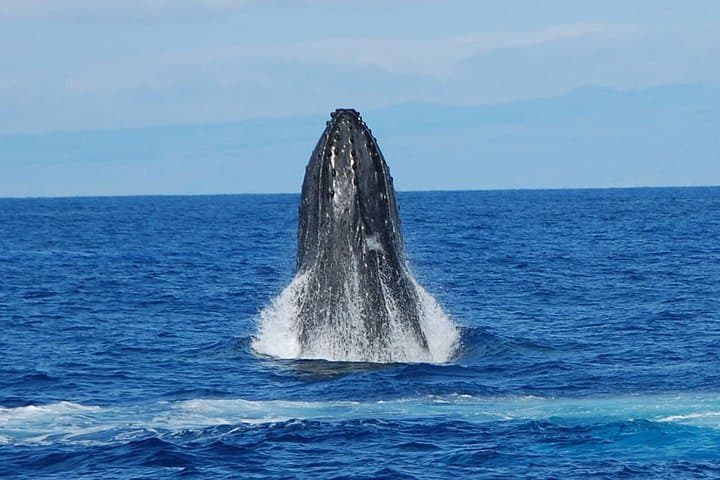
Winter is the Big Island’s most distinctive season. North Pacific humpback whales come to Hawaiian waters to mate, calve, and nurse. NOAA’s sanctuary puts the season at roughly November through May, with the peak from January through March. In those months you can often see spouts from shore on a calm morning, and a whale-watch boat out of Kona makes a sighting very likely; some even guarantee one.
The same swells that bring surfers bring caution. From about November to March, the west- and north-facing beaches can get a strong shore break and strong currents, the famous Kohala Coast white sand included. Swim in the morning, watch the water before you go in, and use lifeguarded beaches such as Hāpuna and Kahaluʻu. Calm, reef-sheltered spots are your friends; see our beach guide for which is which.
Winter is also peak season for prices. The holiday weeks book out first, and rental cars can get scarce, so lock in your car and hotel early.
Spring (April–May): the sweet spot
Spring is our favorite all-round pick. It sits inside the tourism authority’s best window, the last whales are still around in April, and the winter shore break usually eases. Hotel rates come down after spring break, and the island’s green after the winter rains.
One exception: Hilo fills up for the Merrie Monarch Festival, the world’s premier hula competition, held March 28–April 3, 2027. Tickets are famously hard to get (requests are accepted by mail if postmarked on or after November 16, 2026), and Hilo hotels book out months ahead. If you’re going, book a room now; if you’re not, plan your Hilo nights for another week.
Summer (June–August): calm seas and family crowds
Summer falls outside the tourism authority’s best window. School holidays bring families, and rates rise to match. The upside is the water. With the winter swells gone, west-side snorkeling is at its most reliable, and the morning boats to Kealakekua Bay usually find calm conditions. Compare those boats on our snorkel tour comparison.
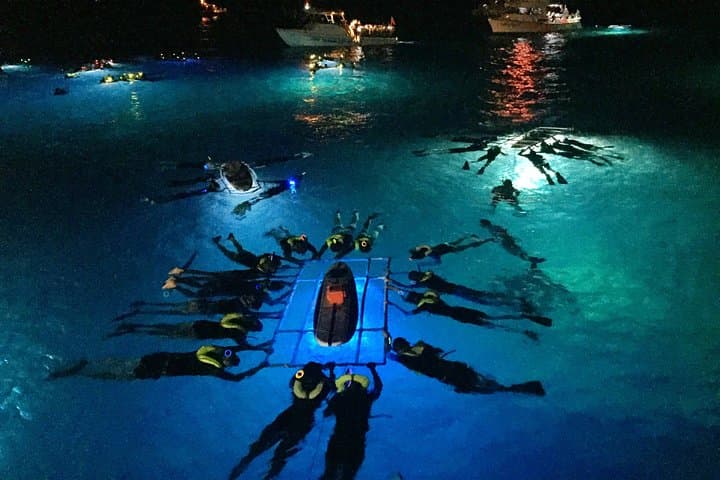
Kona’s manta rays are resident, so the manta night snorkel runs in every season. Book it early in your trip, so that if rough seas cancel it you still have nights to reschedule.
Summer also opens hurricane season, which in the Central Pacific runs from June through November. Most years pass quietly, but 2026 was rough on the Big Island (see below).
Fall (September–November): quiet, warm, and festival time
Fall is the other half of the best window. Summer crowds have gone home, the ocean is still warm, and the first whales begin to arrive in November. Two Kona events are worth planning around:
- The IRONMAN World Championship races in Kona each October. Expect road closures and booked-up hotels in town around race week, so check the date for your year before you book.
- The Kona Coffee Cultural Festival, now in its 55th year, runs November 6–15, 2026. It’s a good time to visit the coffee farms in Holualoa and South Kona.
2026: a storm-year footnote
This year was unusually stormy. Hurricane Lala in mid-August and Nolo in late September each caused closures at Hawaiʻi Volcanoes National Park and at state parks. Most areas have reopened, but not everything. As of mid-October 2026, part of the ʻAkaka Falls trail is still shut, and Spencer Beach Park, which closed for storm damage after Lala, is worth checking before you drive there. Lala also damaged roads and bridges in Kaʻū. Punaluʻu’s county beach park is closed for a separate reason, a land purchase. Check park alerts the week you travel; it takes a minute and can save a wasted drive.
Lava: you can’t plan for it
People often ask when to visit to see lava. The honest answer is that nobody can tell you. Kīlauea’s recent summit eruption came in episodes, and as of October 18, 2026, the USGS Hawaiian Volcano Observatory reports it paused after episode 55, with no forecast for the next one. The national park is spectacular either way: steam vents, lava tubes, and a crater-floor hike. So pick dates for the weather and the whales, and treat any glow as a bonus. Our national park guide covers it all.
Plan the rest
Once you have dates, build the days with our 7-day Big Island itinerary. Then work through the trip planner for fees, rules, and what to book before you fly. Here November through May? Read our whale watching guide to choose a boat.
Photo: benmacaskill via Wikimedia Commons · CC BY 2.0