This guide contains affiliate links. If you book through them we may earn a commission, at no extra cost to you. Learn more.
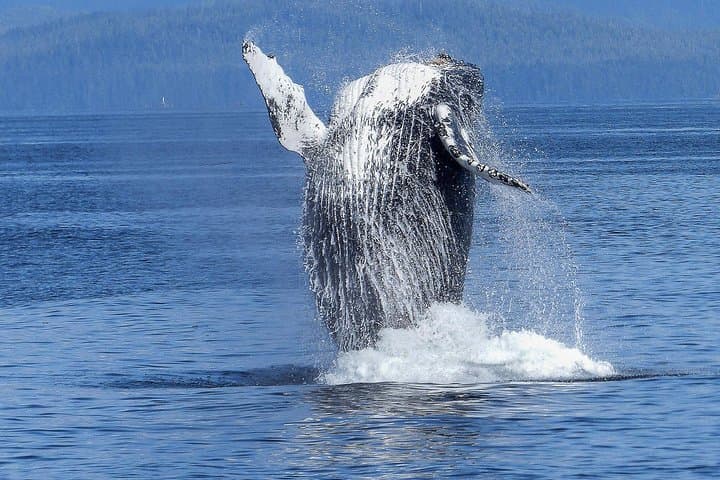
Every winter, North Pacific humpback whales travel to Hawaiʻi to mate, give birth, and nurse their calves. On the Big Island, the whale-watch boats head out from the sheltered west coast around Kona. You might see blows from the beach, a breach from your hotel lānai, or, on a good day at sea, a mother and calf resting at the surface. Here’s when to go, how to choose a boat, and the rules that protect the whales.
When is whale season?
The Hawaiian Islands Humpback Whale National Marine Sanctuary puts the season at roughly November through May, with the peak from January through March. Sightings get more hit-or-miss at either end, which is why some operators run dedicated whale watches only in the core months. Hang Loose Boat Tours, for example, runs its season from December to mid-April. If whales are the reason for your trip, mid-January to mid-March is the safest window.
Humpbacks favor shallow, warm water for breeding and calving. The sanctuary was designated in 1992 and protects the waters shallower than about 600 feet around the main Hawaiian Islands, Hawaiʻi Island included.
What you’ll see
- Blows: the misty spout of an exhale, often the first thing you spot. Watch the same patch of water, because more usually follow.
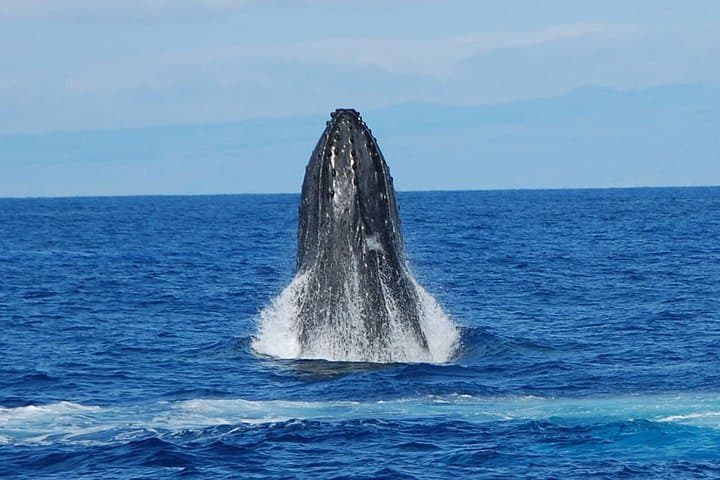
- Breaches: the whole whale launching out of the water. It’s unforgettable and impossible to predict.
- Tail and fin slaps: loud, splashy, and often repeated.
- Mothers and calves: a calf often surfaces beside its mother every few minutes.
- Song: male humpbacks sing in winter. If your boat carries a hydrophone, ask to listen.
The 100-yard rule (and the 50-yard rule)
It’s illegal to approach within 100 yards of a humpback whale in Hawaiʻi. NOAA applies that rule to boats, kayaks, drones, swimmers, and any other means, so it covers you on a paddleboard too. If a whale surfaces closer on its own, a responsible captain idles and lets it pass.
The rules for other animals are worth knowing before you book:
- Hawaiian spinner dolphins: it’s illegal to swim with, approach, or remain within 50 yards of them within 2 nautical miles of the main islands (in force since October 2021). Treat any tour that advertises swimming with spinner dolphins as a red flag.
- Green sea turtles (honu): stay at least 10 feet away, on land and in the water.
- Hawaiian monk seals: stay at least 50 feet away, or 150 feet from a mother and pup.
Watching from shore
In peak season, you don’t need a boat to see whales. On a calm morning, scan the water from any raised, west-facing spot along the Kona and Kohala coasts: a resort lawn, a bluff above a beach park, a lānai. Look for the puff of a blow, then keep watching that area for the next one. Binoculars make a big difference, and the morning, before the wind picks up, is usually best.
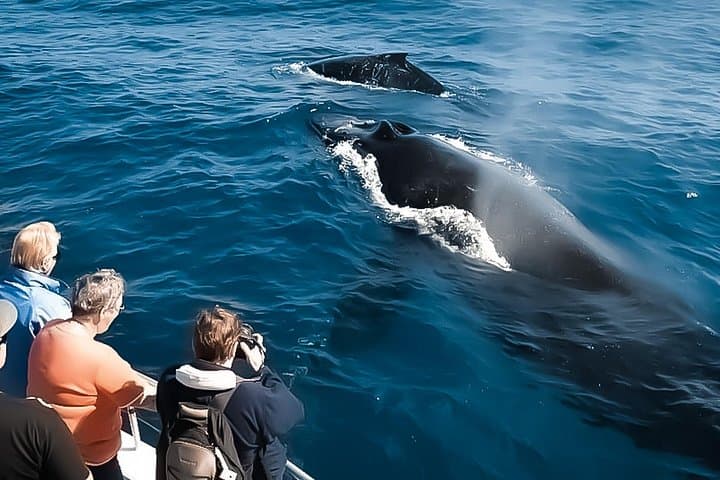
A boat gets you closer (to the legal limit) and adds a naturalist who knows what you’re seeing. It also means far more whales in a couple of hours than you’d spot from the sand.
How to choose a whale-watch boat
If you want one name, it’s the Hang Loose Boat Tours whale watch out of Honokōhau Harbor. It runs on a shaded, fast power catamaran with a restroom on board, and it comes with a guarantee: if you don’t see a whale, you come again free.
The alternatives differ mainly in boat size and fine print:
- Iruka Hawaii’s midday cruise is a relaxed two-hour trip aboard the Kibou, with English and Japanese guides and a restroom. If no whales show, you get a free rain check on the next tour. You can also bring your own drinks.
- Dolphin Discoveries’ dolphin and whale watch runs on a raft-style boat for up to 20 guests. It can slip into sea caves and lava tubes that the big boats can’t reach. Dolphins are the year-round focus, with humpbacks as the winter bonus. There’s no restroom on board. It takes ages 5–70 and isn’t suitable if you’re pregnant, have mobility issues, or have back or heart conditions.
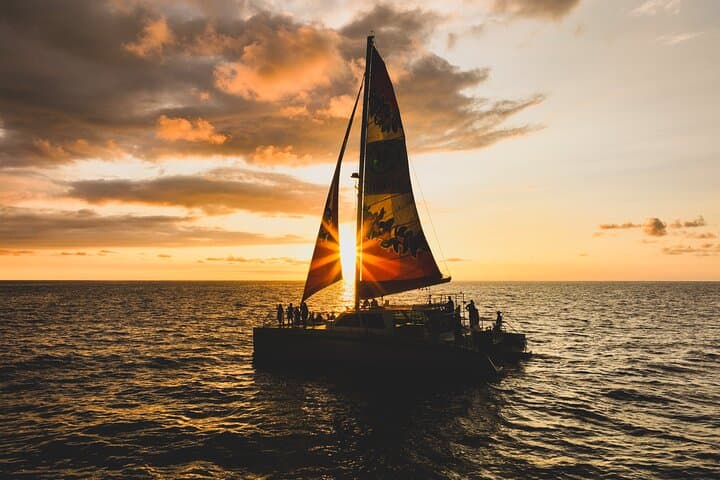
- A sunset sail doubles as a whale watch in season. Hawaii Nautical’s catamaran sail has an open bar and a restroom, and it welcomes all ages. Its humpback months are December through March.
 2 hours
Iruka Hawaii Dolphin
Midday Whale Watching Cruise
Honokōhau Harbor (Kealakehe Pkwy), Kailua-Kona
Free cancellation
Booked securely on Viator
 2.5 hours
Dolphin Discoveries
Kona Dolphin & Whale Watch
Keauhou Bay (78-7138 Kaleiopapa St) or Dolphin Discoveries check-in, Aliʻi Drive
Free cancellation
Booked securely on Viator
 1.5 hours
Hawaii Nautical
Kona Catamaran Sunset Sail
Hawaii Nautical, Honokōhau Harbor (Kealakehe Pkwy), Kailua-Kona
Free cancellation
Booked securely on Viator
Make it dinner, or a snorkel
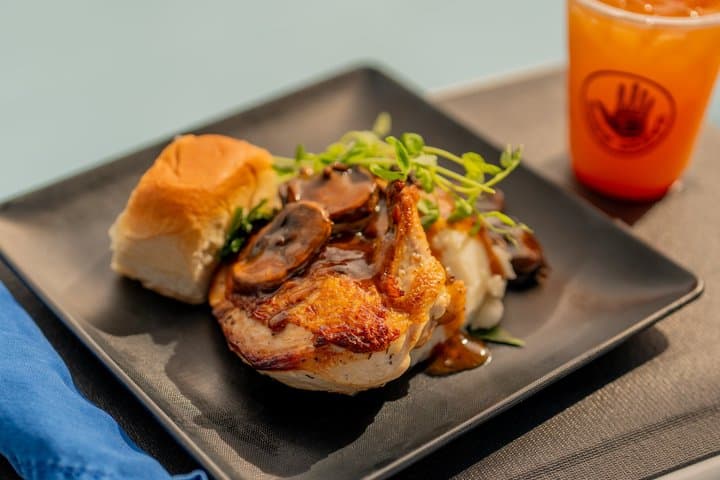
In season, plenty of Kona boats see whales even when whales aren’t the point of the trip. Body Glove’s historical dinner cruise sails to the Captain Cook Monument with a local historian narrating and returns at sunset. Dolphins are often seen, and whales in season. It’s wheelchair accessible, too.
Morning snorkel cruises to Kealakekua Bay spot whales in winter as well. Compare them on our snorkel tour comparison, or browse every boat on our whale watching and cruises pages.
Tips for a better whale watch
- Go in the morning. The water is usually calmest early, which means a smoother ride and easier spotting.
- Take seasickness medicine before you board, not once the boat starts rocking.
- Read the guarantee. A sighting “guarantee” usually means a free return trip, not a refund. Book early in your stay so you have time to use it.
- Bring a layer and a hat. It’s breezier on the water than on the beach.
- Wear mineral sunscreen. Hawaiʻi County bans the sale of sunscreens with any active ingredient other than zinc oxide or titanium dioxide.
- Leave the drone in the bag. The 100-yard rule applies to drones, too.
Pair it with a manta night
Whales are the winter show, while Kona’s manta rays are there year-round. Both trips leave from the same harbors, so it’s easy to do a whale watch one morning and a manta night snorkel another evening. Read our manta night snorkel guide, then compare boats on our manta tour comparison. For both, Kona is the natural base.
Still choosing dates? Our best time to visit guide covers winter surf and festival weeks, and the best things to do on the Big Island fills in the rest of your trip.
Photo: Steve Wrzeszczynski via Unsplash