This guide contains affiliate links. If you book through them we may earn a commission, at no extra cost to you. Learn more.
The Big Island has a reputation for not having good beaches. It isn’t true — it’s just that the good ones are spread out, many are tucked into lava fields, and the island is young enough that half its coastline is still raw black rock. Pick right and you get some of the best white sand in Hawaiʻi, calm reef snorkeling with honu, and black-sand beaches that only exist because of recent eruptions.
Here are the beaches we’d drive to, organized by what you want from the day. Two rules apply everywhere: stay at least 10 feet from sea turtles, and wear mineral sunscreen. Hawaiʻi bans the sale of sunscreens with oxybenzone or octinoxate, and a 2022 Hawaiʻi County ordinance bans the sale on the island of any sunscreen whose active ingredients aren’t zinc oxide or titanium dioxide.
Best for swimming: the Kohala Coast
The island’s famous white sand sits on the Kohala Coast, about 20 minutes north of Kona’s airport. One warning covers all of it: from about November to March, swells can bring a strong shore break and stronger currents. Swim in the morning, watch the water before you go in, and stay out when the waves are pounding.
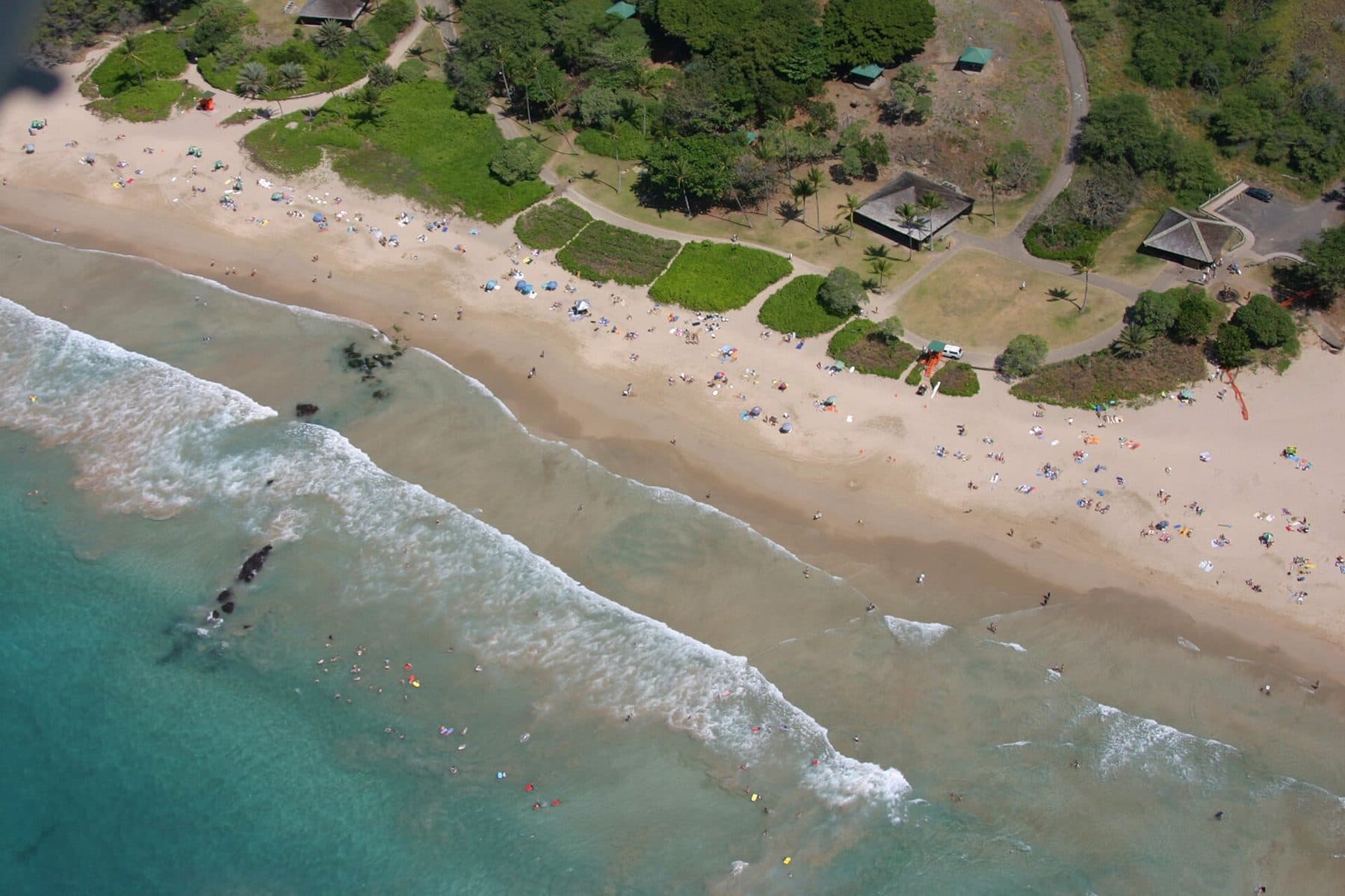
- Hāpuna Beach is the one to start with — the state tourism authority calls it the island’s largest white-sand beach, and it has lifeguards, showers, and a big lawn. Nonresidents pay $5 per person plus $10 parking, card only (2026). Weekend lots fill fast, and the gate closes once the lot is full.
- Kaunaʻoa (Mauna Kea Beach) is the postcard crescent in front of the Mauna Kea Beach Hotel, calm on most days. It’s public, but access is through the resort gate, where a very limited number of parking passes go out — arrive by about 8 a.m. on weekends. No lifeguards.
- ʻAnaehoʻomalu Bay (A-Bay) is the easy one: free parking, a long reef-sheltered bay, rentals at the Waikoloa Beach Marriott, and two ancient fishponds behind the sand. Snorkel the north-end reef in the morning.
- Spencer Beach Park, below Puʻukoholā Heiau near Kawaihae, is the family pick — an offshore reef keeps the water calm on most days. It closed for storm damage after Hurricane Lala in August 2026, so check county notices before you go.
If beach days are the heart of your trip, base yourself here rather than in Kona town.
Best for snorkeling from shore
- Kahaluʻu Beach Park in Keauhou is where we’d send a first-time snorkeler: shallow, reef-sheltered, full of fish and honu, with county lifeguards every day. Stay inside the sheltered area — a rip current runs out through the reef opening at the north end.
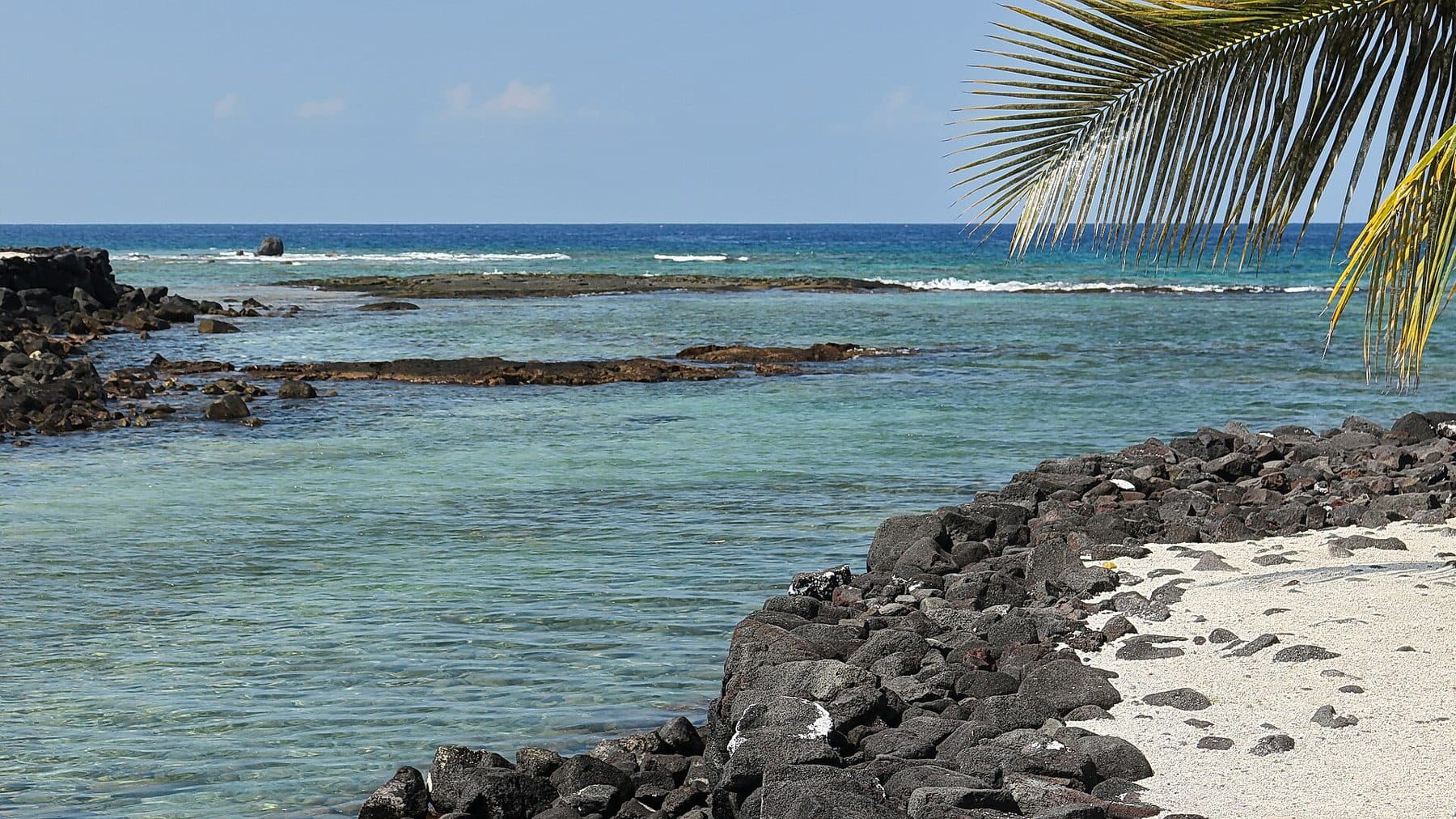
- Two Step (Hōnaunau Bay) is the island’s classic: you step off natural lava ledges straight into water about 10 feet deep, then 25, over coral with frequent honu. Go in the morning before the chop builds, wear booties for the lava, and don’t change in the national park restrooms next door. No lifeguards.
- Waialeʻa Bay (Beach 69), just south of Hāpuna, is a tree-shaded cove and a Marine Life Conservation District; the best coral is around the big rocks on the south side. It closed after September storm damage and DLNR reopened it on October 17, 2026.
- Richardson Ocean Park, four miles east of downtown Hilo, is the east side’s favorite snorkel: a lava breakwater shelters a small black-sand beach, honu often rest on the sand, and lifeguards are on duty daily.
The best snorkeling on the island, though, is off the Captain Cook Monument in Kealakekua Bay — and the easy way to get there is a morning boat. Compare every option first:
Best for swimming and sun on the Kona side
- Maniniʻōwali (Kua Bay) is a small white-sand cove with startlingly blue water in Kekaha Kai State Park. Since January 2026, nonresidents pay $5 per person plus $10 parking. There’s no shade and no lifeguard, the lot is often full by 10 a.m. on weekends, and DLNR warns of rip currents and shore break in high surf.
- Lāʻaloa (Magic Sands) on Aliʻi Drive is the in-town bodyboarding beach, with a lifeguard and showers. Its nickname comes from how strong surf can strip the sand overnight; if the lava rock is showing at the waterline, skip swimming that day.
Best secluded beach: Makalawena
Makalawena is a string of white-sand coves backed by dunes, reachable only on foot from Mahaiʻula in Kekaha Kai State Park over rough lava and packed sand. There are no facilities at all — no water, shade, or restrooms — which is exactly why it’s quiet. Wear closed-toe shoes for the sharp ʻaʻā lava, carry all your water, and pack out your trash. No lifeguards, and winter shore break can be strong.
Black sand (and the green-sand question)
Pohoiki in Puna is a brand-new black-sand beach created by Kīlauea’s 2018 eruption. It’s for looking, surfing, and fishing, not casual swimming — the shore break is dangerous. Facilities are basic and there’s no drinking water; follow Highway 130 to 137, since the old Highway 132 route changed after 2018.
Punaluʻu Black Sand Beach, the famous turtle beach in Kaʻū, is not on our list for now: as of October 2026 its county beach park is closed after the lease on the land ended August 29, 2026, while Hawaiʻi County completes a purchase. When it reopens, remember that honu need their 10 feet and that taking sand from any Hawaiʻi beach is illegal.
Papakōlea, the green-sand beach, is one we don’t recommend. The Hawaiʻi Tourism Authority says reaching it means crossing private property, discourages hiking and driving there because of erosion and safety, and advises no swimming.
Hilo-side swimming
Carlsmith Beach Park (Four Mile) has no sand at all — a grassy lawn runs down to calm, protected water that’s lovely for a swim and a snorkel, with restrooms and a pavilion. The state’s ocean-safety list shows lifeguards daily, though some guides still say weekends only, so check that the tower is staffed. Big east-side swells can change conditions; check hioceansafety.com first.
Want a guide or a boat?
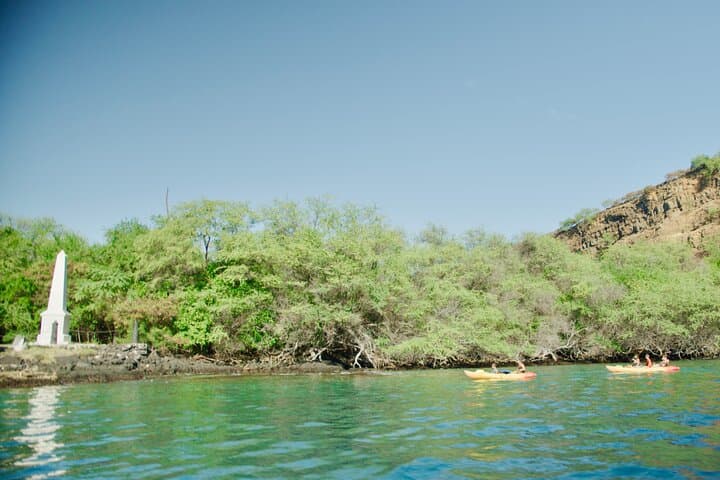
The two easiest upgrades to a beach day are a morning snorkel cruise to Kealakekua Bay and a guided kayak that can actually land at the monument. Kona Boys is one of the State Parks–permitted kayak vendors — rental kayaks can cross the bay but can’t come ashore at Kaʻawaloa.
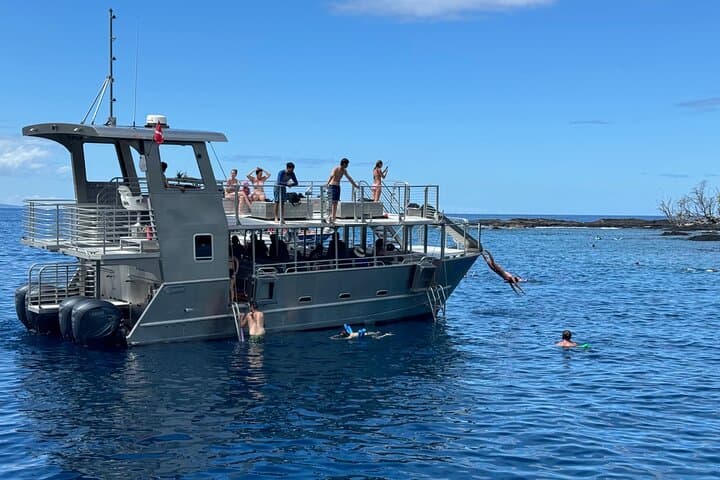 4 hours
Hang Loose Boat Tours
Captain Cook Snorkel by Catamaran, with Lunch
Honokōhau Harbor north boat ramp (74-380 Kealakehe Pkwy), Kailua-Kona
Free cancellation
Booked securely on Viator
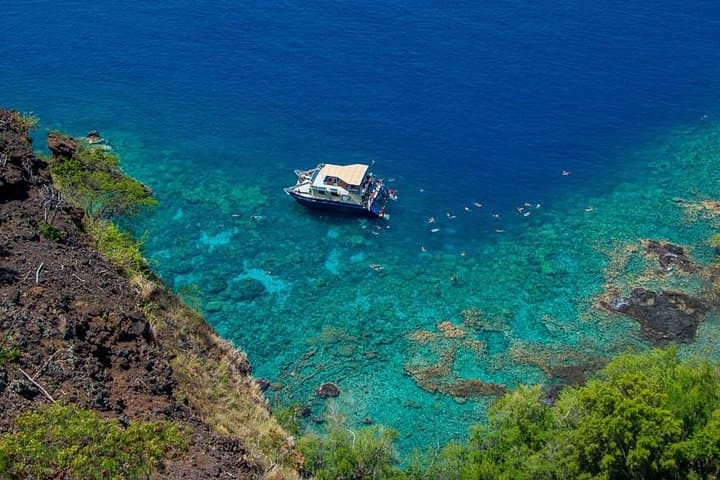 4.5 hours
Fair Wind Cruises
Morning Snorkel: Captain Cook & Kealakekua Bay
Keauhou Bay pier (78-7130 Kaleiopapa St), Kailua-Kona
Free cancellation
Booked securely on Viator
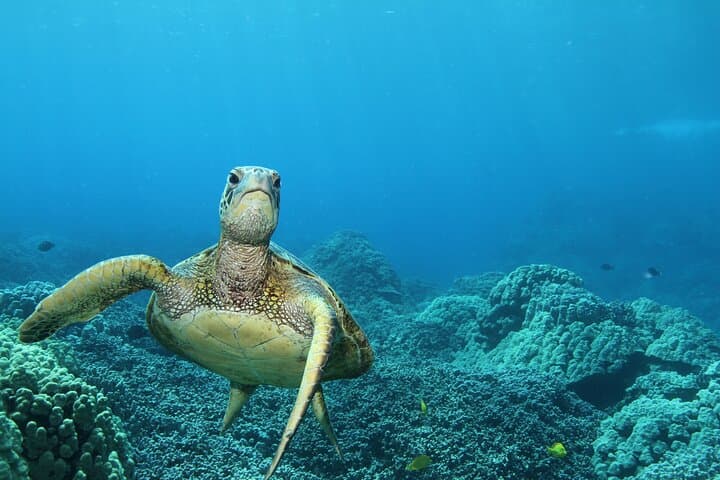 3 hours
Hawaii Oceanic
Small-Group Snorkel at Kealakekua Bay
Keauhou Bay (78-7138 Kaleiopapa St), Kailua-Kona
Free cancellation
Booked securely on Viator
If you’d rather paddle than ride, this is the one:
Getting to the beaches
Almost every beach on this list is a drive from wherever you’re staying, and several fill their lots by mid-morning. You’ll want your own car — see do you need a car on the Big Island — and our best time to visit guide explains when winter surf changes the picture.
Choosing where to sleep? Kona vs. Hilo weighs beach access against volcano access, and you’ll find every beach we cover on our Big Island beaches page.
Photo: Polihale via Wikimedia Commons · CC BY-SA 3.0