This guide contains affiliate links. If you book through them we may earn a commission, at no extra cost to you. Learn more.
The Big Island covers 4,028 square miles, more than all the other Hawaiian islands combined. So the real question isn’t “Kona or Hilo?” It’s how much driving you’re willing to do from one bed. The dry west side (Kona and the Kohala Coast) has the beaches, the sunshine, and the boat tours. The wet east side has Kīlauea, the waterfalls, and Hilo’s better-value hotels. For most trips the right answer is both.
The short answer
- First trip, ocean tours: Kona. Manta nights, snorkel cruises, and whale watches all leave from its harbors.
- Beach and resort time: the Kohala Coast. It has the island’s best white sand, the sunniest weather, and the highest prices.
- Volcano, waterfalls, value: Hilo. It’s a real town, 45 minutes from the national park.
- Sunrise and after-dark at Kīlauea: Volcano Village, at the park’s edge.
- Coffee farms and quiet: South Kona, in a B&B or vacation rental.
The four main bases at a glance
| Kona & Keauhou | Kohala Coast | Hilo | Volcano Village | |
|---|---|---|---|---|
| Weather | Dry and sunny | Sunniest on the island | About 120 inches of rain a year | Cool, misty, often rainy |
| Beaches | Small and rocky in town; great beginner snorkeling | The island’s best white sand | Few; Richardson and Carlsmith | Far from any |
| Tours nearby | Mantas, snorkel cruises, whales, luaus | Luaus, Waikōloa helicopters | Hilo-side volcano tours, helicopters | The national park itself |
| To the volcano (NPS) | About 95 mi, 2–2.5 hr | A long day’s drive | About 30 mi, 45 min | At the gate |
| Price feel | Widest range | Highest | Best value | Small lodges |
| Vibe | Busy, sunny town | Resort bubble | Local, lived-in | Quiet rain-forest village |
Kona and Keauhou: the default for first-timers
Kailua-Kona is where most Big Island trips begin, and for good reason. It’s dry and sunny, it has the widest choice of hotels and condos on the island, and it’s where the boats leave from. The manta ray night snorkels go out of Honokōhau Harbor and Keauhou Bay, and so do the Kealakekua Bay snorkel cruises and winter whale watches. Aliʻi Drive gives you an oceanfront main street with real restaurants.
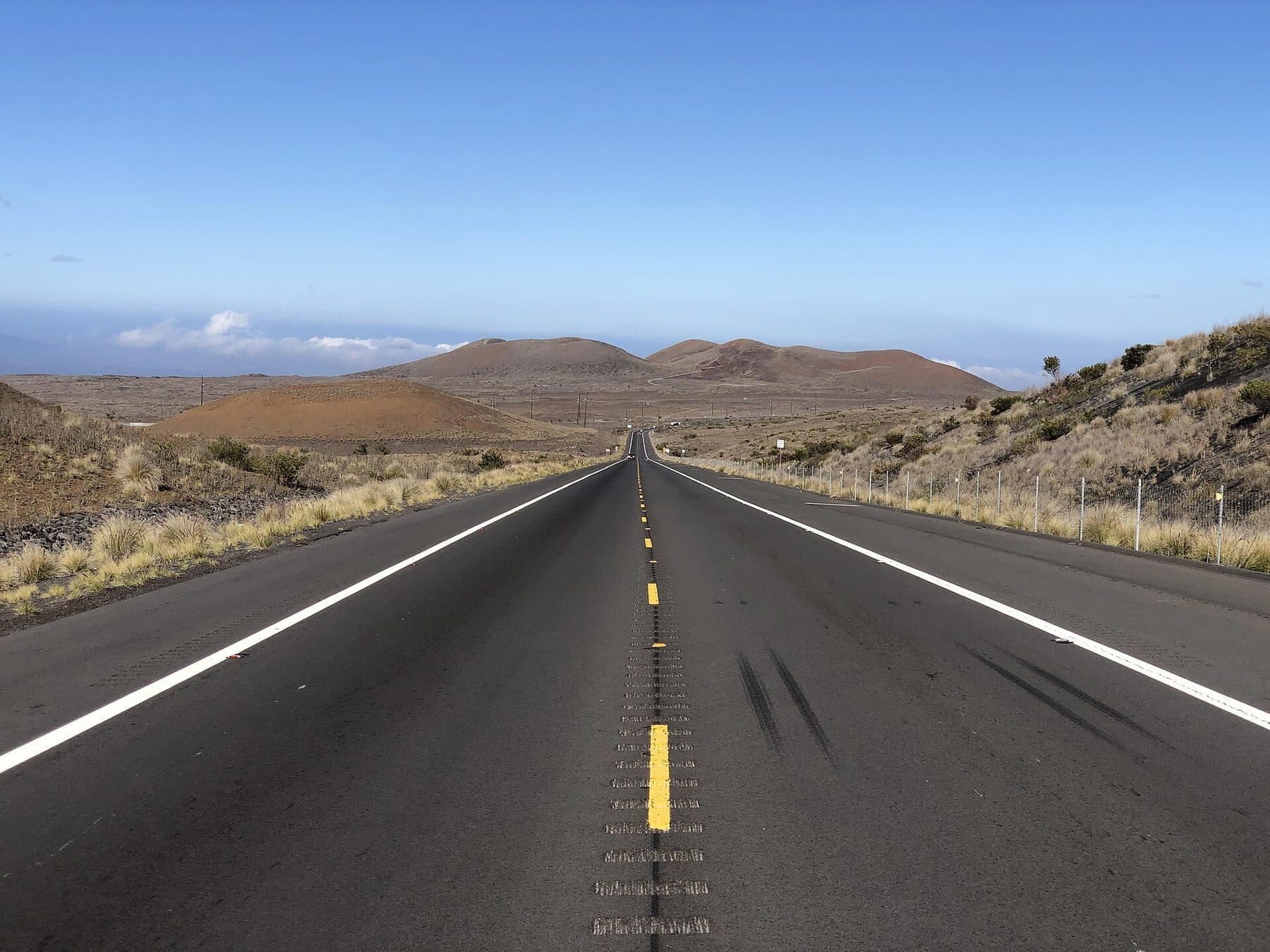
The catch is that in-town beaches are small and rocky. Kahaluʻu is superb for first-time snorkelers, but the long white-sand beaches are up the coast in Kohala. The volcano is also a commitment: the National Park Service puts it at about 95 miles and 2–2.5 hours each way from Kailua-Kona by the southern route.
Our Kona pick for most people is the Outrigger above Keauhou Bay. The resort has lit the water offshore since the early 1970s, and on many nights you can watch manta rays feeding from the hotel.
Saving your budget for boat tours? The Royal Kona Resort is unpretentious and right on the ocean, about a mile from Kailua Pier. Pacific 19 is the stylish, walkable pick in town. For a splurge, the Four Seasons Hualālai and Kona Village, a Rosewood Resort, sit north of the airport at Kaʻūpūlehu. They have a Kona address but the quiet of a resort.
Kohala Coast: pay for the beach
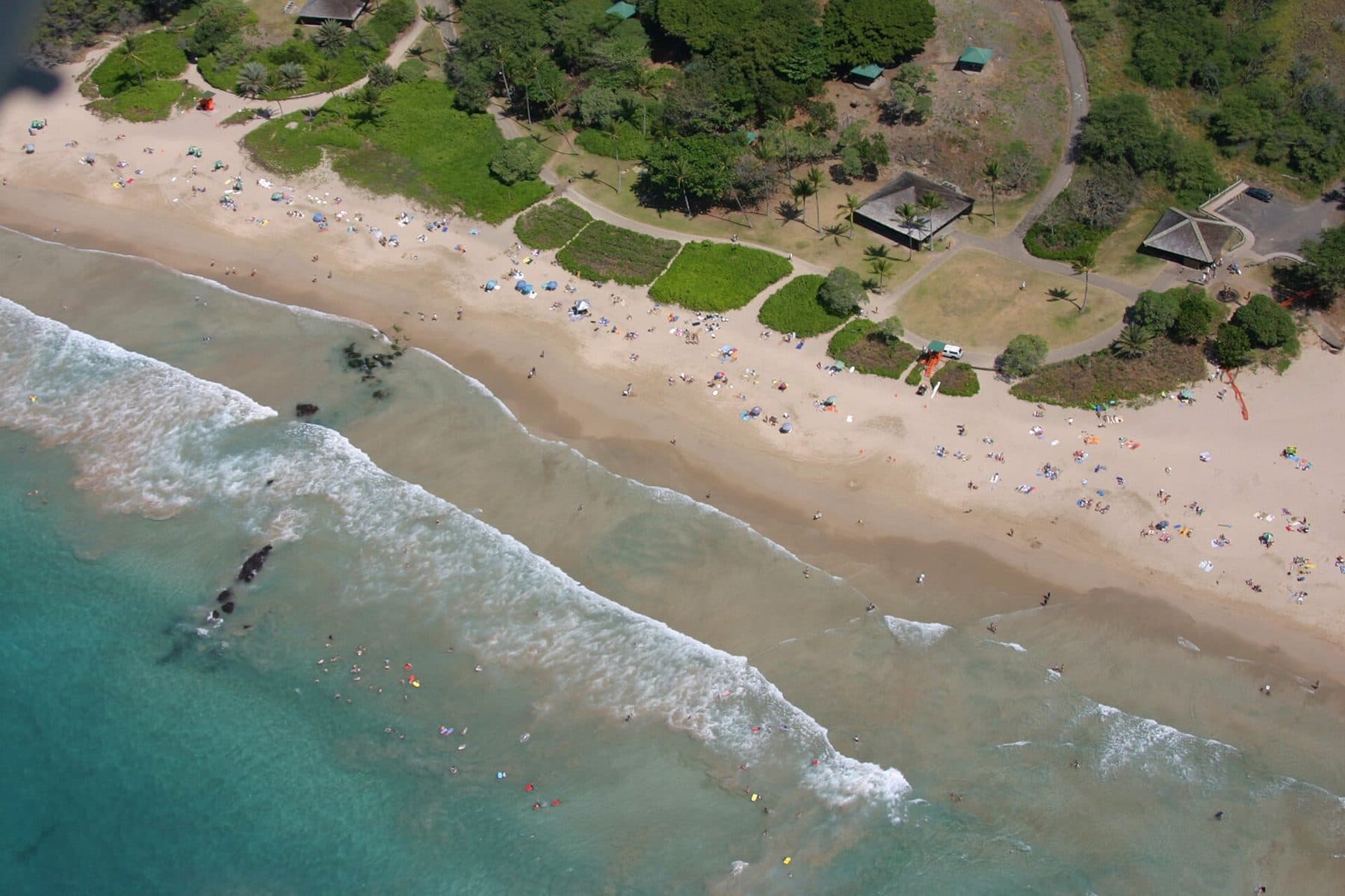
North of Kona, the Kohala Coast is a string of resorts (Waikōloa, Mauna Lani, and the Mauna Kea resort) set among black lava fields. They front the island’s most famous white sand: Hāpuna, Kaunaʻoa, and ʻAnaehoʻomalu Bay. It’s the sunniest stretch of the island, and the Hawaiʻi Tourism Authority puts it about 20 minutes north of Kona’s airport (KOA).
You pay for it. This is the most expensive place to stay on the island, most restaurants are inside the resorts, and the volcano is a long day’s drive. But if beach time is the point of your trip, nowhere else on the island competes. You won’t be cut off from tours, either. Iruka Hawaii offers paid manta-trip pickup from the Waikōloa, Mauna Lani, and Hāpuna resorts, two luaus run in the Mauna Lani resort area, and Blue Hawaiian flies helicopters out of Waikōloa.
Our pick is the Mauna Kea Beach Hotel, Laurance S. Rockefeller’s 1965 original and the island’s first resort. A renovation unveiled in February 2026 redesigned all 252 rooms. The beach out front, Kaunaʻoa, is the best resort beach on the island.
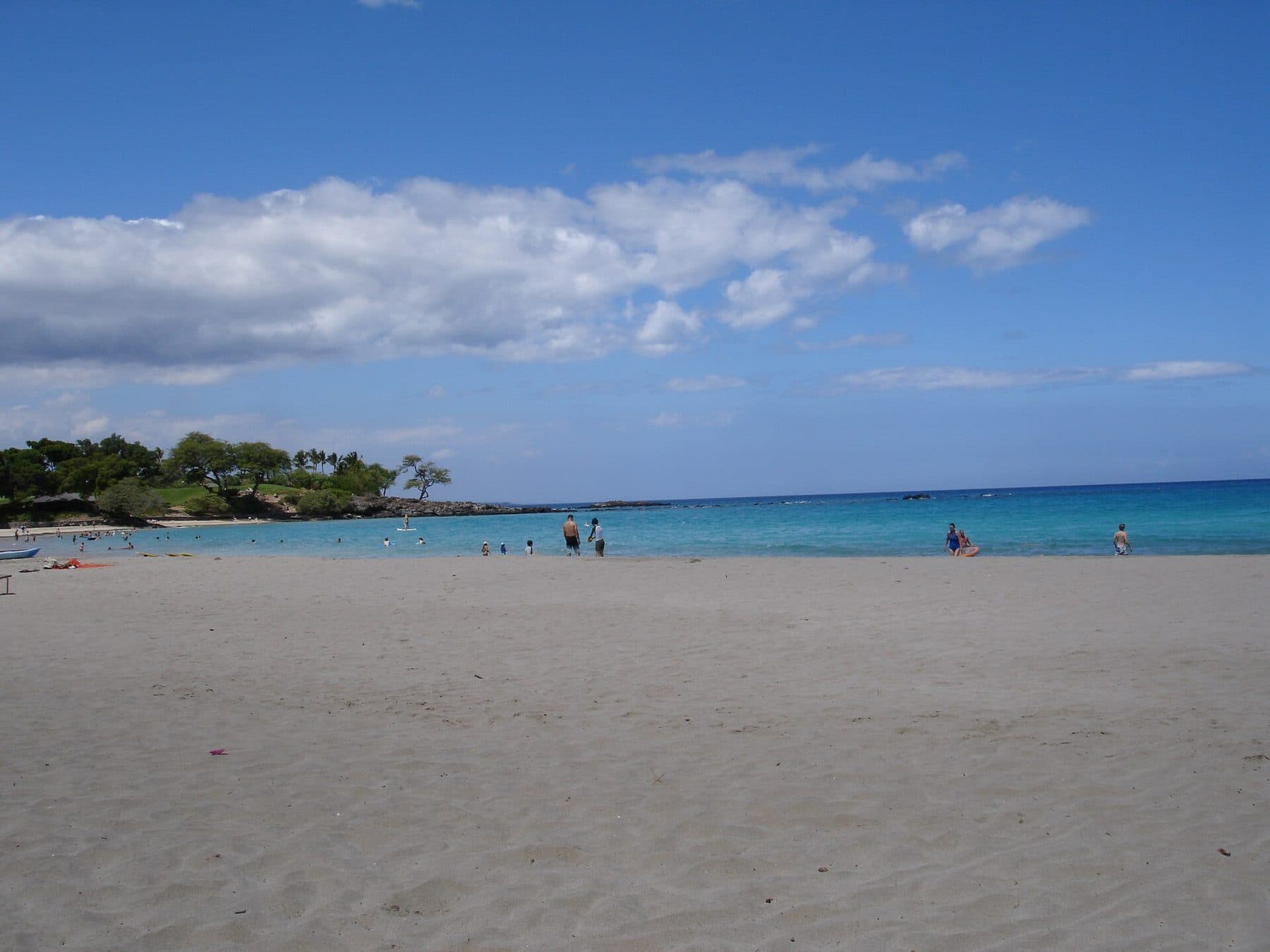
Next door, every room at the Westin Hāpuna faces the ocean, with Hāpuna Beach right below. Families with young kids should look at the Hilton Waikoloa Village. It’s huge and dated in places, but kids love the lagoon and the 175-foot waterslide. Mauna Lani, set among ancient fishponds, is the luxury pick with the strongest sense of place.
Hilo: rain, waterfalls, and the shortest drive to Kīlauea
Hilo is the island’s historic county seat. It has a bayfront downtown, waterfalls such as Rainbow Falls within town limits, and the Hilo Farmers Market, which opens daily and is biggest on Wednesday and Saturday. Above all, it’s close to the park: the NPS puts Hawaiʻi Volcanoes National Park about 30 miles and 45 minutes from Hilo.
Be honest with yourself about the weather. Hilo averages 120.39 inches of rain a year, with measurable rain on about 273 days (1991–2020 normals). Swimming beaches are few, and the manta and snorkel boats leave from the other side of the island. Stay here for volcano days, waterfalls, helicopter flights over Kīlauea, and better-value rooms.
The Hilo Hawaiian Hotel is our value pick. It’s old-school and bayfront on Banyan Drive, and from the ocean-view rooms you see Maunakea rising across the bay.

For more amenities, the Grand Naniloa is the most full-service stay on the Hilo side. It shows its age in spots, so book it for the location rather than luxury. On a tight budget, SCP Hilo has small rooms, an eco-minded approach, and free paddleboards and bikes.
Volcano Village: sleep at the edge of Kīlauea
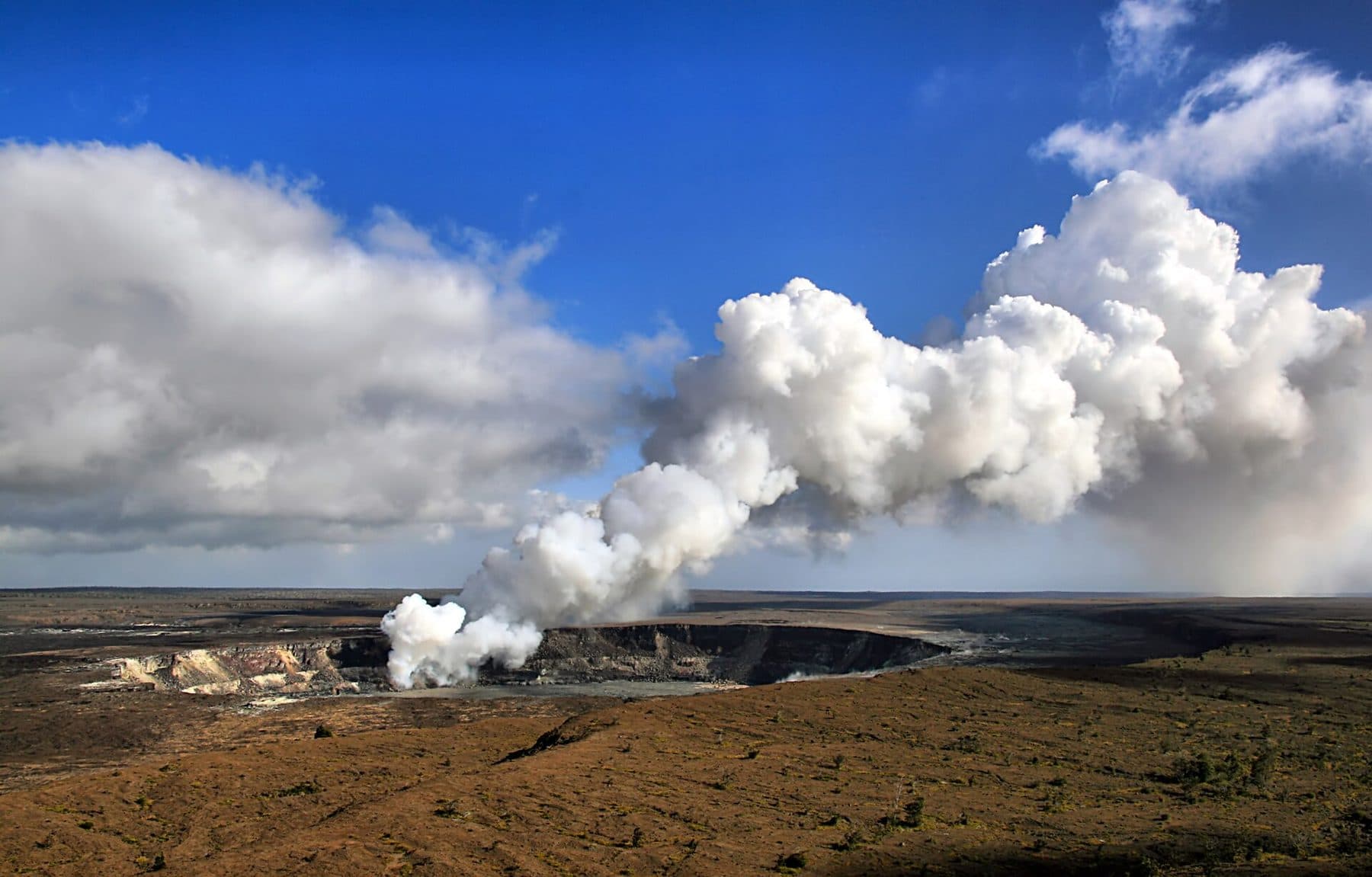
If the volcano is why you came, sleep next to it. Volcano Village is a misty settlement in the rain forest just outside the park, at roughly 4,000 feet. You get sunrise on the crater rim, a visit after dark, and time for the Kīlauea Iki Trail (a 3.3-mile loop, 2–3 hours) before the day-trippers arrive. The trade-off is cool, often rainy weather (the summit runs 12–15°F cooler than sea level), few dinner options, and no beaches anywhere near.
A status note: as of October 18, 2026, the USGS Hawaiian Volcano Observatory reports that Kīlauea’s summit eruption is paused after episode 55, with no forecast for the next episode. Check HVO before you plan a stay around seeing lava, and read our Hawaiʻi Volcanoes National Park guide.
Volcano House is the only hotel inside the park. Its 33 rooms sit on the caldera rim, and the dining room looks out over Halemaʻumaʻu crater. The rooms are basic for the price, but what you’re paying for is the rim.
Kīlauea Lodge, a mile from the park entrance, is the cozier alternative. It has a restaurant serving lunch and dinner daily, and a fireplace first lit in 1938 that makes a cold, wet trail day worth it.
South Kona: the quiet option
South Kona is upcountry coffee country, above Kealakekua Bay and Puʻuhonua o Hōnaunau. Stay here if you want a B&B or vacation rental, farm stands, and some of the island’s best snorkeling below you. There are very few hotels, the roads down to the bays are steep and winding, and nightlife is essentially nonexistent.
How to split 5 or 7 nights
Splitting your stay costs you one checkout and saves you a 4–5 hour round-trip drive to the volcano. You need a rental car either way, because there’s no shuttle or public transit inside the park (see do you need a car?). Drive over one way and back the other. According to the NPS, the southern route from Kailua-Kona is about 95 miles (2–2.5 hours), and the northern route via Waimea and Hilo is about 125 miles (2.5–3 hours).
- 5 nights: 3 west, 2 east. Spend three nights in Kona (or Kohala, if beaches matter more than boats), then two in Volcano Village or Hilo. Book your manta night early in the stay so there’s room to reschedule if rough seas cancel it. If you can, fly home from Hilo; Southwest began nonstop Las Vegas–Hilo flights on August 6, 2026.
- 7 nights: 3 Kona, 2 east, 2 Kohala. Start in Kona for the boat tours, take the southern route to Volcano Village or Hilo, then loop north along the Hāmākua Coast. You finish on a Kohala beach, about 20 minutes from KOA on departure day.
Should your east-side nights be in Volcano Village or Hilo? Pick Volcano if the park is the point: hikes, sunrise, and after-dark visits. Pick Hilo if you also want waterfalls, the farmers market, and more places to eat. For a day-by-day plan, see our 7-day Big Island itinerary.
Budget for the taxes
For price, the Kohala Coast runs highest. Kona has the widest range, from value oceanfront hotels to top-tier luxury at Kaʻūpūlehu. Hilo gives you the most room for the money, and Volcano is mostly small lodges. Wherever you book, lodging taxes add roughly 18.7% in 2026. That covers the state’s 11% transient accommodations tax (raised January 1, 2026, and known as the “green fee”), Hawaiʻi County’s 3%, and general excise tax of up to 4.712%. Check whether the rate you’re quoted includes them.
Browse every property we’ve vetted on our Big Island hotels page. If you’d rather sleep in one place and let someone else drive, our volcano tours comparison shows which trips pick up in Kona and which start in Hilo.