On the rugged lava coast north of Kailua-Kona, this park protects the remains of an ancient Hawaiian settlement. You'll find the historic Kaloko and ʻAimakapā fishponds, the ʻAiʻōpio fishtrap at Honokōhau Beach, and hundreds of anchialine pools. Almost half the park is underwater.
Why we love it
It's free, often quiet, and close to town, and it's the easiest way to see how Hawaiians engineered the coastline to feed whole communities.
What to expect
Most visits start at Hale Hoʻokipa, the visitor center off Queen Kaʻahumanu Highway, where the Ala Mauka Makai trail heads about 0.8 mile across open lava to Honokōhau Beach. There you’ll find the stone and coral walls of the roughly 1.7-acre ʻAiʻōpio fishtrap and a heiau at the beach’s far end. Walk about 0.7 mile farther north on the Ala Kahakai to reach Kaloko Fishpond, where the National Park Service is rebuilding the seawall that 1950s storms destroyed. Unlike the resort beaches nearby, this is a working cultural landscape with more than 200 archaeological sites.
Know before you go
- Getting in
- Cars can drive Kaloko Fishpond Road from 8am to 5pm, and the Hale Hoʻokipa lot closes at 4pm. Hikers and cyclists aren’t bound by the gate times, but the park itself is open sunrise to sunset.
- Water and heat
- The trails are hot, exposed lava with little shade, and daytime highs reach the upper 80s°F. The only drinking fountain is at the visitor center, so fill up before you set out, and go in the morning or late afternoon.
- Rules
- Stay on designated trails and don’t walk on or climb archaeological sites. Swimming is off-limits in the anchialine pools and the Kaloko and ʻAimakapā fishponds.
- Sacred area
- The signed Maliu Point area around the heiau is closed to picnics, beach chairs, towels, umbrellas, coolers, and throwing games. Please give it space.
- Wildlife
- If you see sea turtles or other wildlife on the beach or in the water, stay at least 10 feet away, and never touch or feed them.
- Snorkeling
- Snorkeling and scuba are allowed off Honokōhau Beach, but SNUBA (surface-supplied air) isn’t permitted inside the ʻAiʻōpio fishtrap.
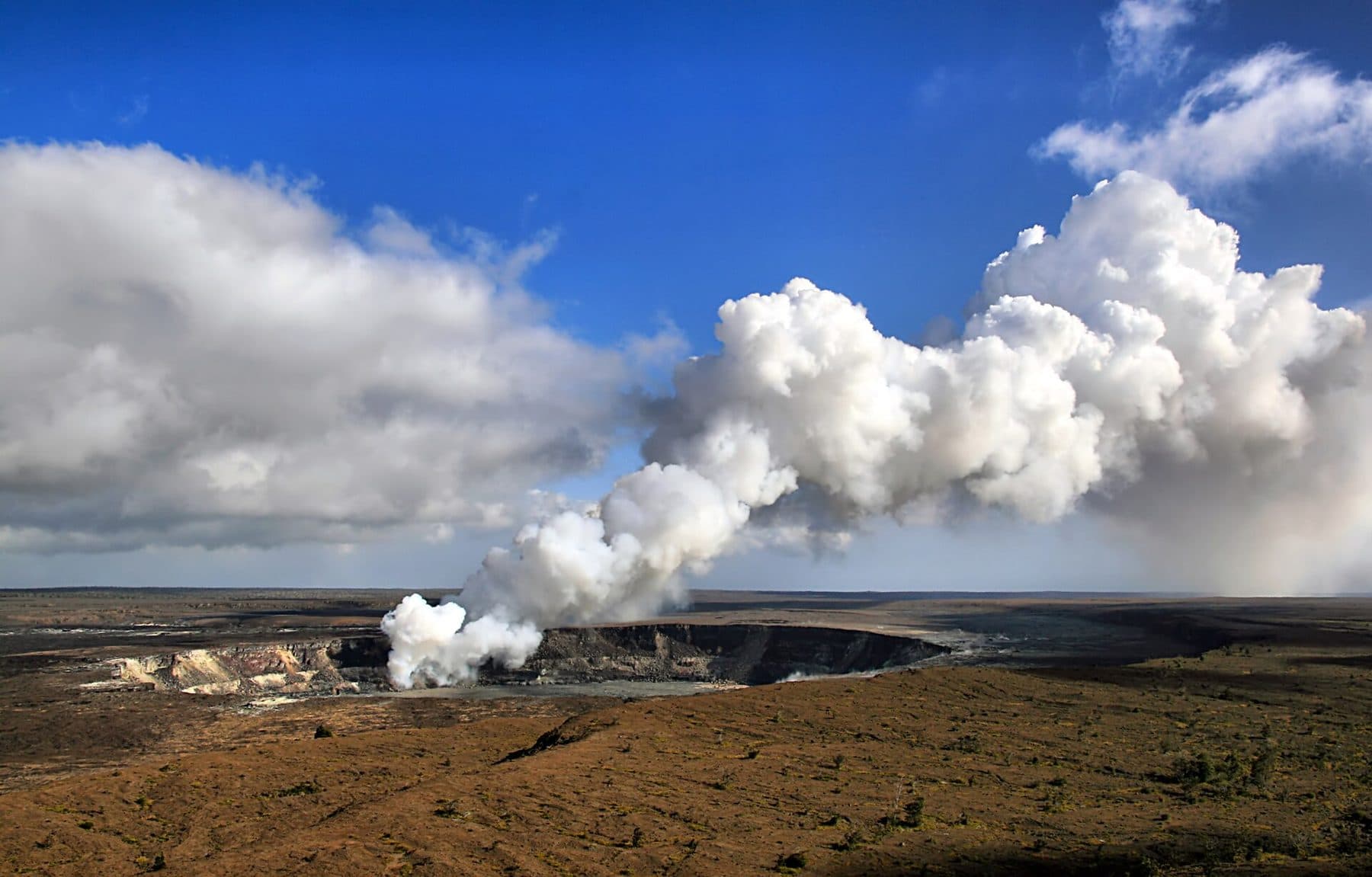
Illustrative photo — not taken at Kaloko-Honokohau National Historical Park.