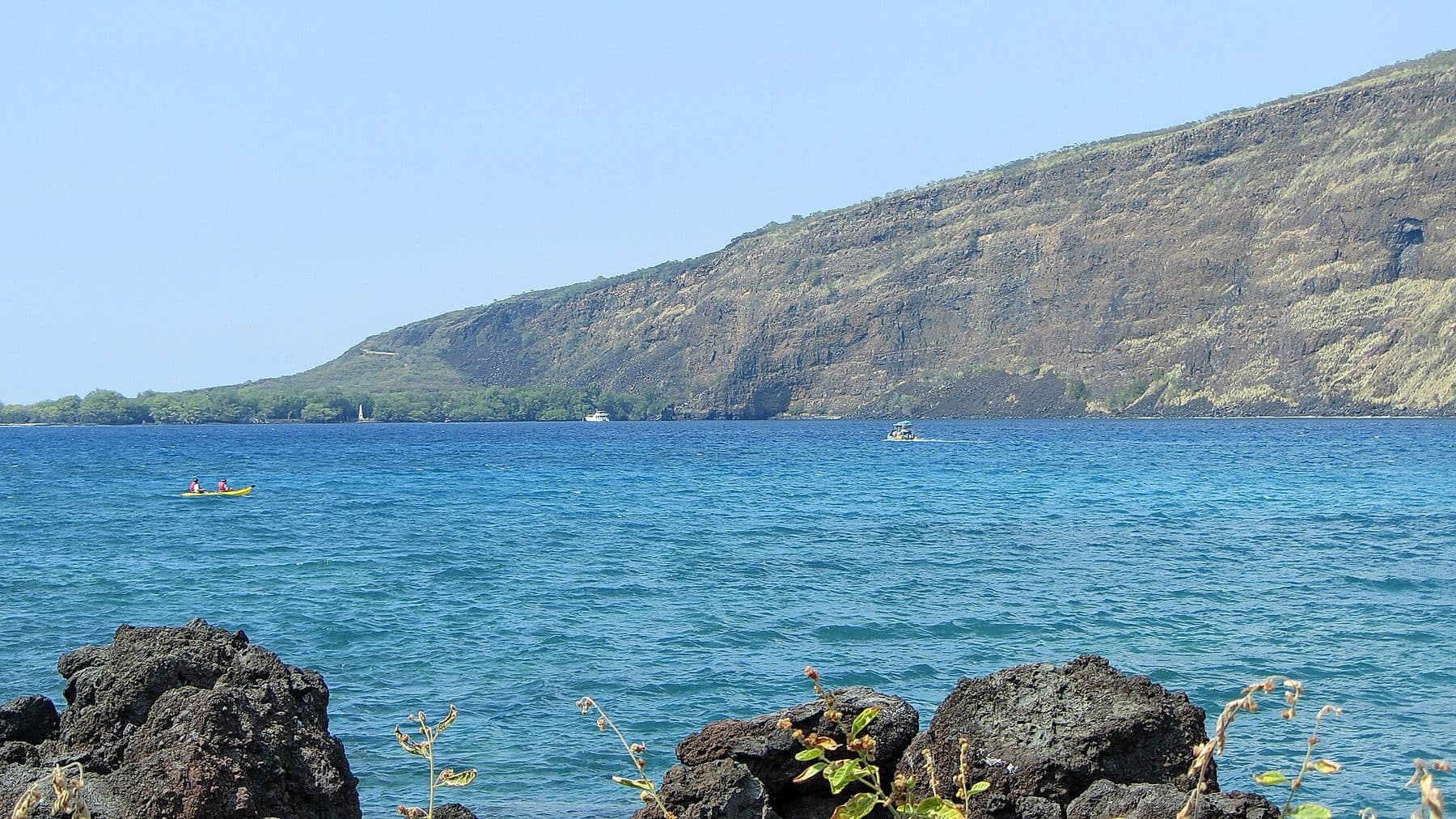
Big Island region
Maunakea & the Saddle
Summit sunsets and world-class stargazing
The high saddle between Maunakea and Mauna Loa, crossed by the Daniel K. Inouye Highway — the road to the summit of Maunakea, a mountain sacred in Hawaiian tradition and home to some of the world’s major observatories.
Photo: Tell Death I'm Busy via Unsplash
Go if…
You do not stay here — it is a destination for a tour or a careful self-drive, not a base.
The trade-off
High altitude, cold nights, and strict access rules; see our Maunakea guide before going.
Things to do
Our picks in Mauna Kea

Visiting Maunakea safely and respectfully
Maunakea rises to 13,803 feet, the highest point in Hawaiʻi, and its summit often sits above the clouds. It’s also a wahi pana, a celebrated and storied place in Hawaiian tradition; the summit region is considered the realm of gods and spirits, and the mountain holds burials and shrines. Stay on roads and marked paths, and take nothing away.
The Visitor Information Station is as far as most cars should go
The Onizuka Center for International Astronomy Visitor Information Station sits at 9,200 feet. Above it, the road is open only to dependable 4WD or AWD vehicles: the pavement ends about 300 yards past the station, then about 4.5 miles of steep graded gravel climb toward the summit. The University of Hawaiʻi says to check with your rental company before driving it, and the Hawaiʻi Tourism Authority advises going up only on an authorized guided tour. Public summit hours run from 30 minutes before sunrise to 30 minutes after sunset.
Who shouldn’t go above the station
UH Hilo advises against going higher if you’re under 13, pregnant, have high blood pressure or a heart or respiratory condition, or went scuba diving in the previous 24 hours. Spend at least 30 minutes at the station to acclimate; the summit has about 40% less oxygen than sea level, and it’s cold enough for winter clothes year-round.
Stargazing
The station’s old nightly public telescope program ended in 2019. Today staff may give a laser-guided sky talk after twilight, depending on weather, and a free telescope night runs once a month with limited, reserved spots. For a guaranteed telescope session, a summit tour is the simple option: 4WD vans, sunset at the top, and on many tours, telescopes set up lower on the mountain after dark.
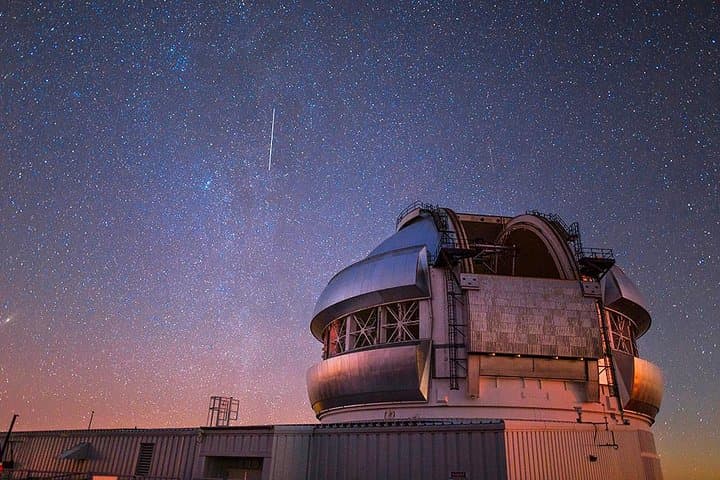 8 hours
Hawaii Forest & Trail
Maunakea Summit & Stars Small-Group Tour
Central meeting points: Kona (Courtyard King Kamehameha), Four Seasons Hualālai, Waikōloa (Queens' MarketPlace, Waikōloa Plaza) or Maunakea Visitor Station
Free cancellation
Booked securely on Viator
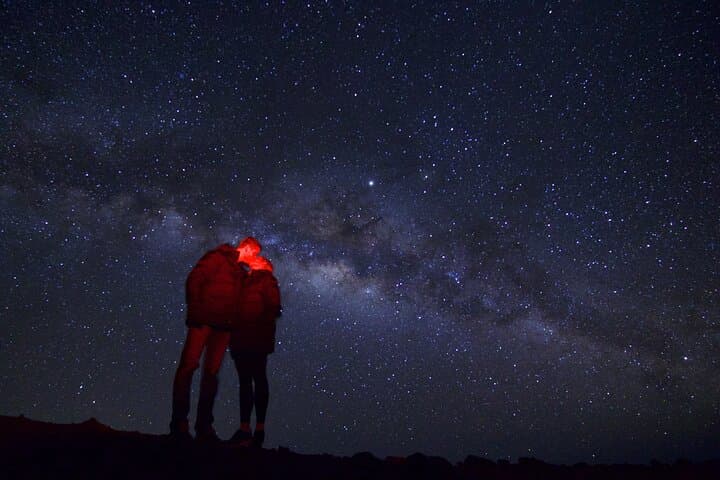 5–8 hours
Hawaii Island Holidays
Maunakea Summit, Sunset & Stars
Meet at Kona Commons (Bank of Hawaii), Queens' MarketPlace Waikōloa, or Maunakea Visitor Information Station
Free cancellation
Booked securely on Viator
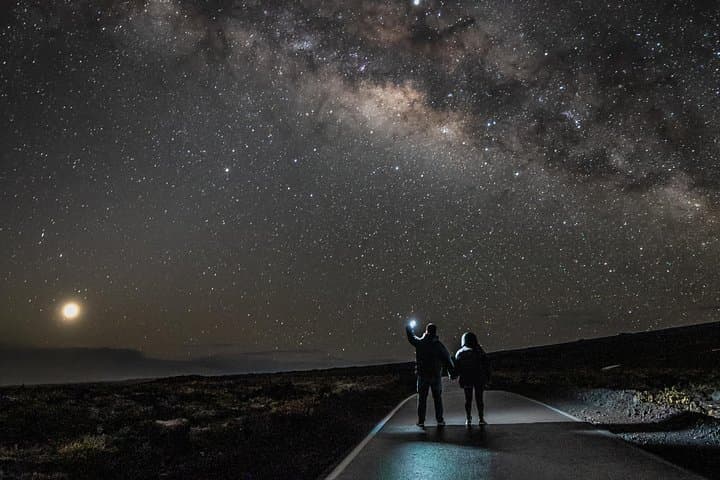 2 hours
Epic Tours
Maunakea Stargazing Experience + Photos
Self-drive to Puʻu Huluhulu cinder cone parking lot (Saddle Road at Maunakea Access Rd)
Free cancellation
Booked securely on Viator
Compare every option on our Maunakea tours comparison, and read the Maunakea summit guide for what the night feels like.
Sources: usgs.gov · hilo.hawaii.edu · hilo.hawaii.edu · hilo.hawaii.edu · media.gohawaii.com