About two-thirds of a mile of wide golden sand inside Mākena State Park, with no development behind it. It’s Maui’s most dramatic south-shore beach and, because of its shorebreak, its most dangerous.
Why we love it
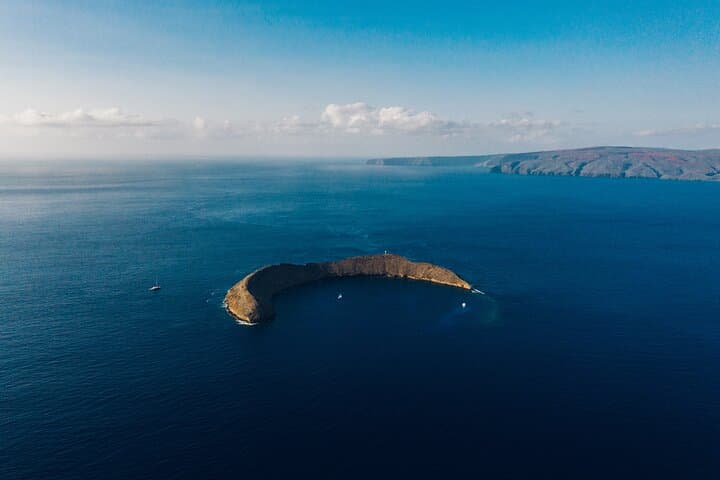
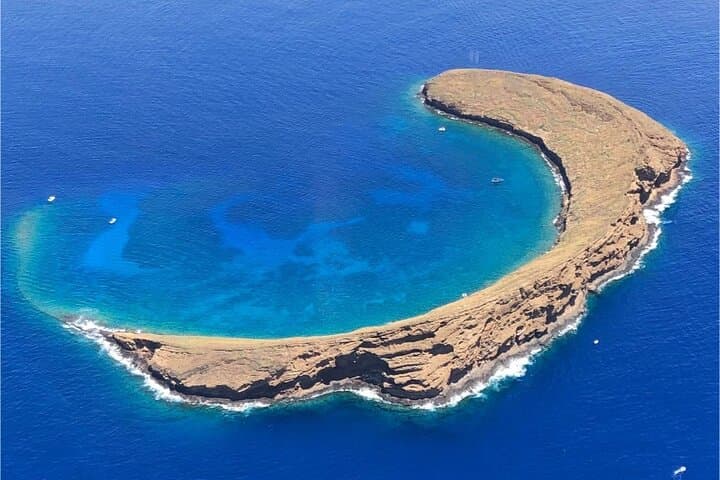
Few beaches in Hawaiʻi this size are still undeveloped. Come for the sand, the views of Kahoʻolawe and Molokini, and the sunset.
What to expect
Waves break hard on the steep sand, often right at the water’s edge. Big Beach recorded 33 spinal injuries in 2009–2017, the most of any beach in the state. On flat days the swimming is beautiful; when there’s any surf, stay on the sand. Lifeguards staff the beach. Paved lots (Big Beach I and II) charge non-residents by kiosk or ParkMobile and fill on weekends. Shade is scarce and there’s no drinking water. Little Beach sits over the lava point at the north end.
Know before you go
- Shorebreak
- DLNR posts “CAUTION: Shore break can be very dangerous!” Ask the lifeguards before going in.
- Lifeguards
- Mākena State Park is on the state’s lifeguarded-beach list, daily 8 a.m.–4:45 p.m.
- Fees
- Non-residents pay $10 per vehicle and $5 per person at kiosks or via ParkMobile. Residents with ID and kids 3 and under are free.
- Hours
- Oneloa opens 5 a.m.–7 p.m. daily, until 7:45 p.m. in May, June and July.
- Water & shade
- No drinking water and little shade. Facilities are portable toilets and picnic tables.