Where the West Side opens up: a long, straight ribbon of sand backed by low dunes, with open-ocean surf and no reef protection. It’s a locals’ beach for fishing, surfing and sunsets over the open ocean. Weekdays can be nearly empty.
Why we love it
It’s the antidote to crowded resort beaches, with miles of sand, huge skies and a sunset with nothing between you and the horizon.
Current conditions: Hurricane Lowell buried Kaumualiʻi Highway through Kekaha in sand and rocks (Sept. 2026). HDOT lists Route 50 open as of Oct. 20, 2026.
What to expect
Come to walk, beachcomb and watch the sun drop into the sea, not for an easy swim. Waves hit the shore directly here, the shore break can come up fast, and HTA warns that strong winds and currents can make swimming dangerous at times. The west side is hot and dry with little shade, so bring water, sunscreen and an umbrella. There are restrooms at the park, and the county lifeguard tower here is the last guarded spot heading west. Hurricane Lowell buried Kaumualiʻi Highway in Kekaha in sand and rocks in September 2026.
Know before you go
- Lifeguards
- The county Kekaha Beach Park tower is staffed daily 8 a.m.–6 p.m. Swim only near it, and only when it’s calm.
- Water conditions
- There’s no reef protection. Expect strong currents and shore break, and in winter, north swells wrapping around to the west shore.
- Sun
- Shade is scarce. Bring plenty of water and reef-safe mineral sunscreen.
- Security
- Don’t leave valuables in your car at remote beaches.
- Polihale
- Polihale State Park, past Kekaha, is closed as of October 2026.
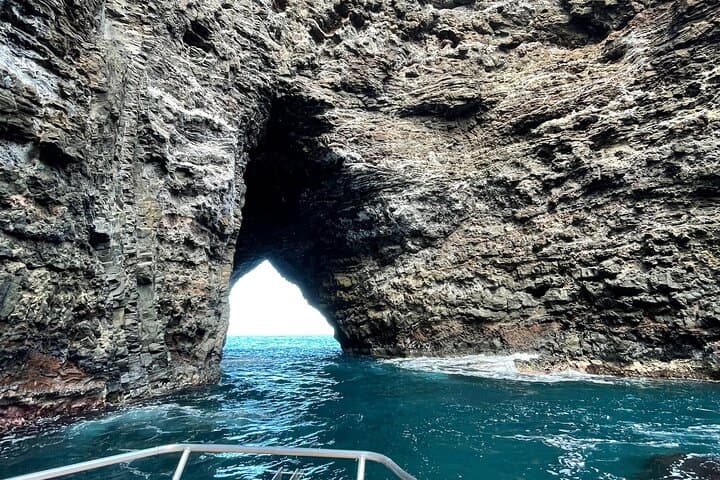
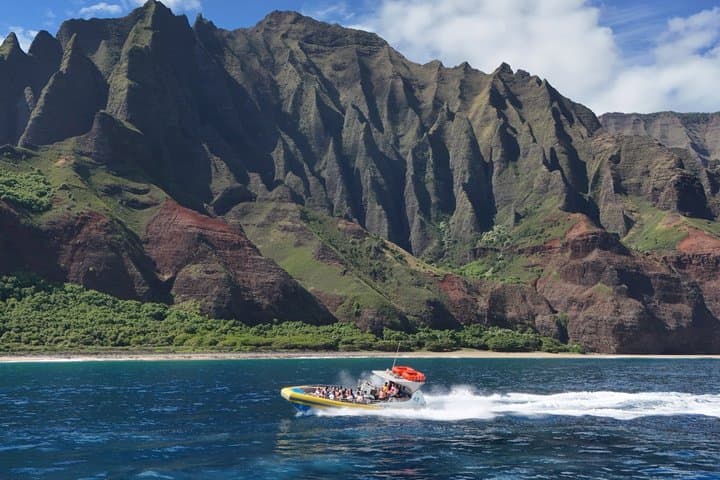
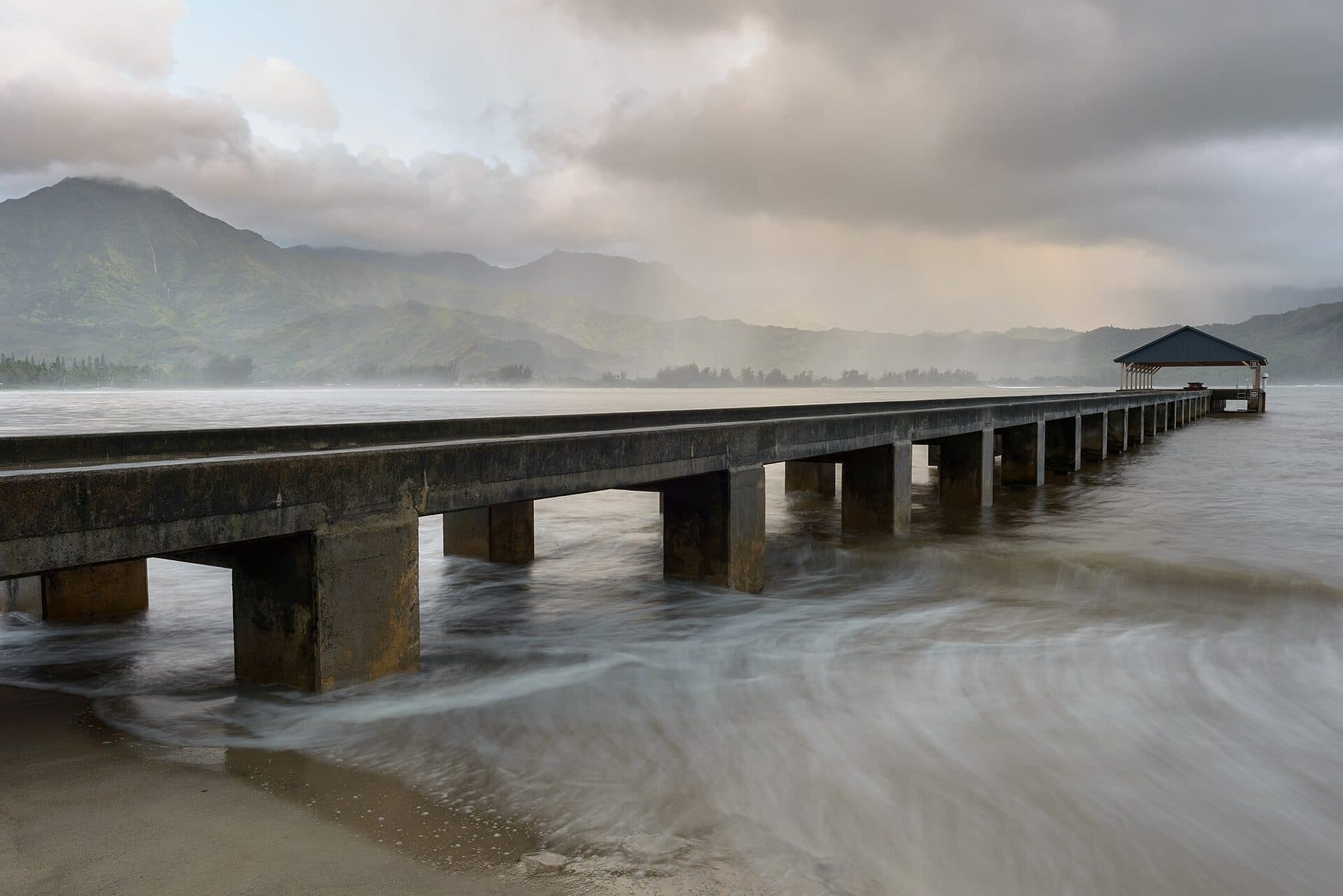
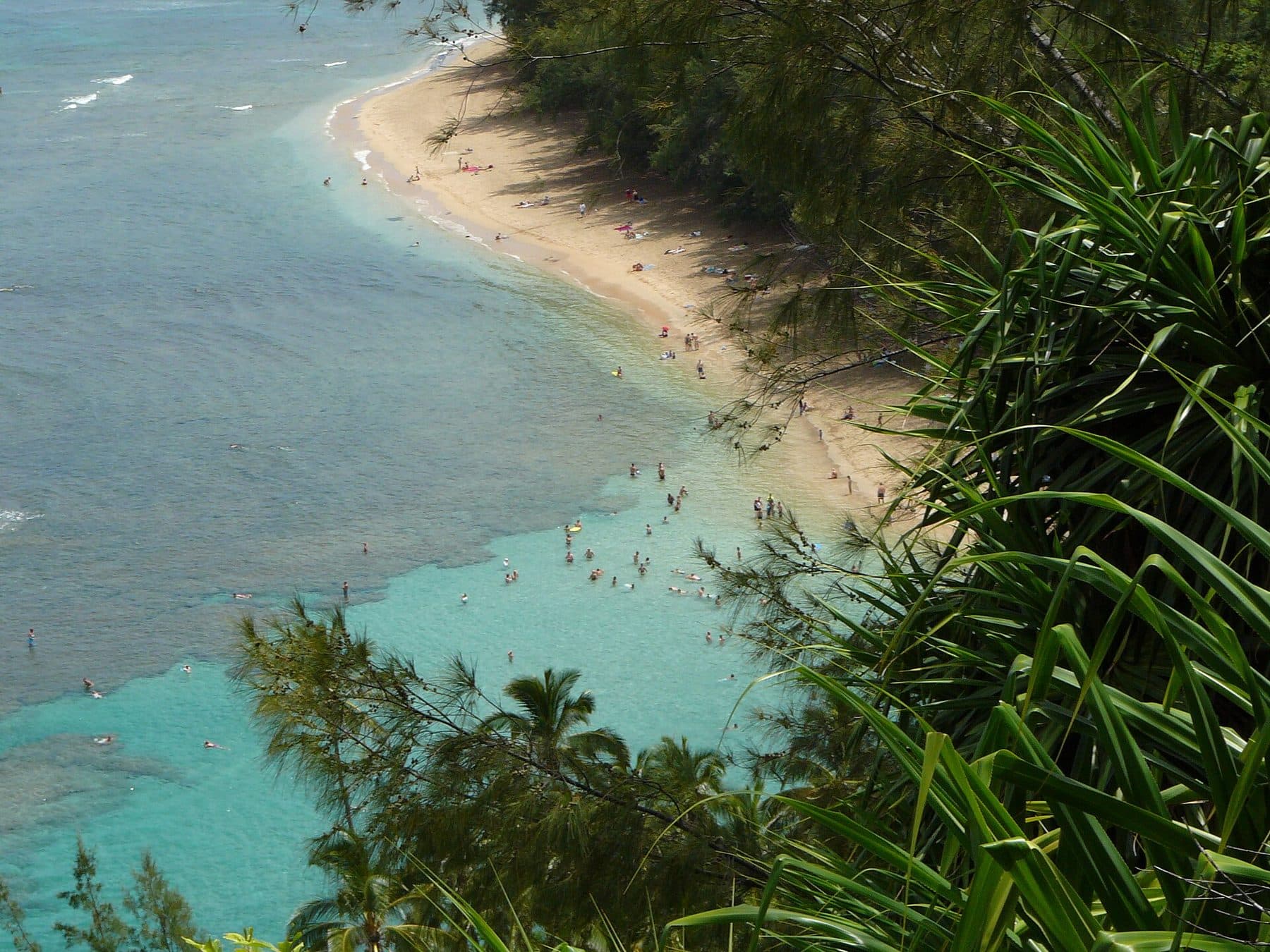
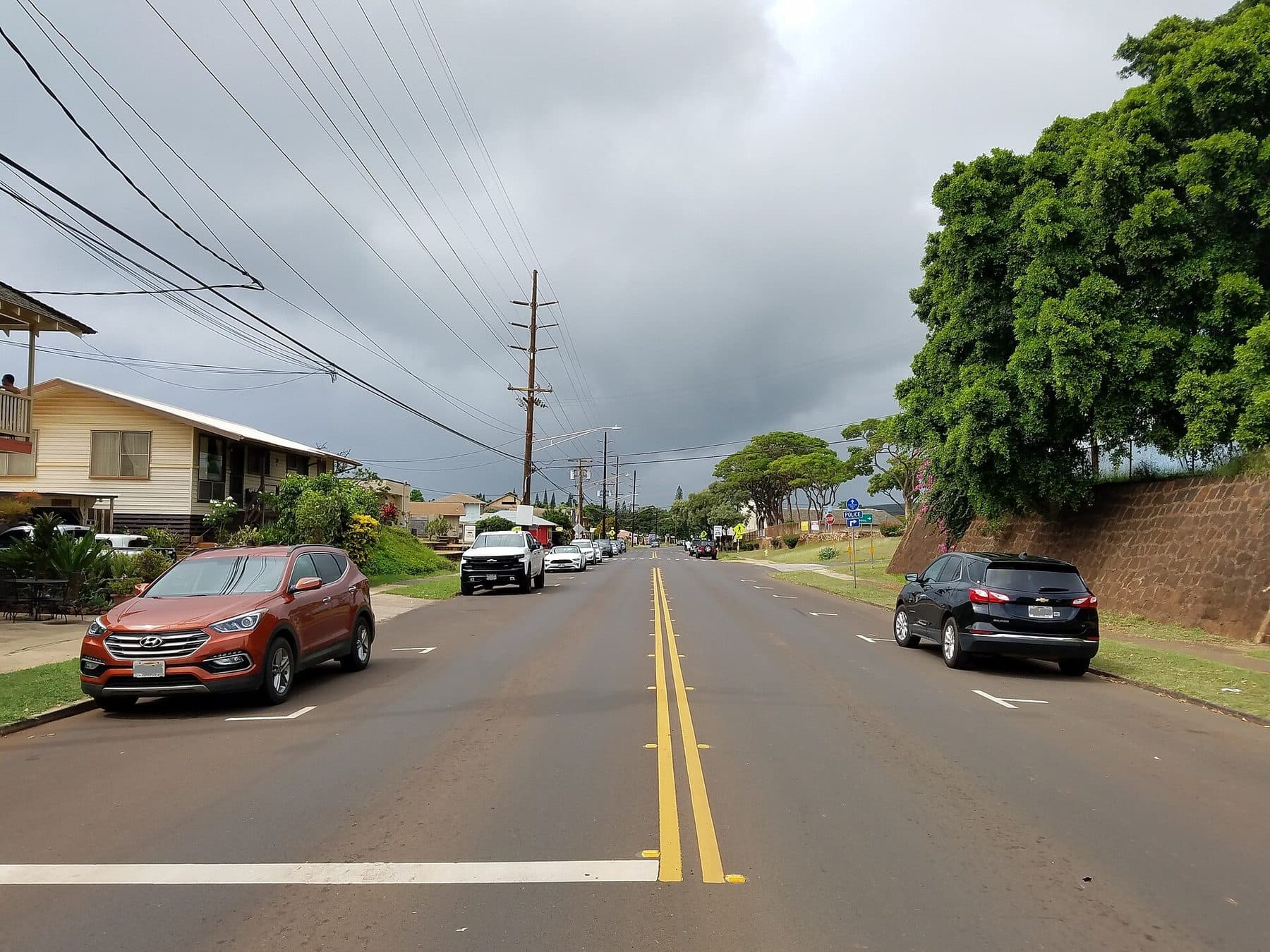
Illustrative photo — not taken at Kekaha Beach Park.
Photo: ECTran71 via Wikimedia Commons · CC BY-SA 4.0